

Can bronze wear strips be used in hydraulic systems?
As a seasoned supplier of bronze wear strips, I've encountered numerous inquiries regarding the suitability of these components in hydraulic systems. Hydraulic systems are critical in a wide range of applications, from heavy machinery to aerospace equipment, and the choice of materials can significantly impact their performance and longevity. In this blog post, I'll delve into the feasibility of using bronze wear strips in hydraulic systems, exploring their properties, advantages, and potential limitations.


Understanding Hydraulic Systems
Before discussing the use of bronze wear strips, it's essential to understand the basic principles of hydraulic systems. These systems use pressurized fluid, typically oil, to transmit power and control mechanical movements. The fluid is pumped through a network of pipes, valves, and cylinders, generating force and motion. Key components of hydraulic systems include pumps, actuators, valves, and hydraulic fluid.
The performance of a hydraulic system depends on several factors, including the quality of the components, the type of hydraulic fluid used, and the operating conditions. Wear and tear on components can lead to reduced efficiency, increased energy consumption, and even system failure. Therefore, selecting the right materials for each component is crucial to ensure reliable and long-lasting operation.
Properties of Bronze Wear Strips
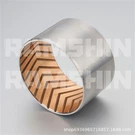
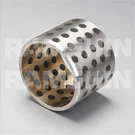
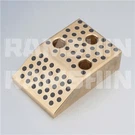
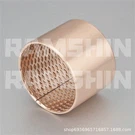
Bronze is an alloy primarily composed of copper and tin, with other elements such as zinc, lead, and phosphorus added to enhance specific properties. Bronze wear strips are designed to reduce friction and wear between moving parts, providing a smooth and reliable surface for contact. Some of the key properties of bronze wear strips that make them suitable for hydraulic systems include:
- High Wear Resistance: Bronze has excellent wear resistance, making it ideal for applications where components are subject to repeated friction and abrasion. In hydraulic systems, wear strips help protect critical components such as pistons, cylinders, and valves from premature wear, extending their service life.
- Good Corrosion Resistance: Hydraulic systems often operate in harsh environments, exposed to moisture, chemicals, and contaminants. Bronze has good corrosion resistance, which helps prevent rust and other forms of corrosion that can damage components and reduce system performance.
- Low Friction Coefficient: The low friction coefficient of bronze reduces the amount of energy required to move components, improving the efficiency of the hydraulic system. This can result in lower operating costs and reduced wear on other components.
- Self-Lubricating Properties: Some bronze alloys have self-lubricating properties, which means they can reduce friction and wear without the need for additional lubrication. This can be particularly beneficial in hydraulic systems where access to lubrication points may be limited or where continuous lubrication is not practical.
Advantages of Using Bronze Wear Strips in Hydraulic Systems
There are several advantages to using bronze wear strips in hydraulic systems:
- Improved System Performance: By reducing friction and wear, bronze wear strips can improve the overall performance of the hydraulic system. This can result in smoother operation, increased efficiency, and reduced energy consumption.
- Extended Component Life: The high wear resistance of bronze helps protect critical components from premature wear, extending their service life and reducing the need for frequent replacements. This can result in significant cost savings over the long term.
- Enhanced Reliability: Bronze wear strips provide a reliable and consistent surface for contact, reducing the risk of component failure and downtime. This can help ensure the continuous operation of the hydraulic system and minimize production losses.
- Compatibility with Hydraulic Fluids: Bronze is generally compatible with a wide range of hydraulic fluids, including mineral oils, synthetic oils, and water-based fluids. This makes it a versatile choice for hydraulic systems operating in different environments and applications.
Potential Limitations of Using Bronze Wear Strips in Hydraulic Systems
While bronze wear strips offer many advantages, there are also some potential limitations to consider:
- Cost: Bronze is a relatively expensive material compared to some other options, such as steel or plastic. This can increase the initial cost of the hydraulic system, although the long-term cost savings from reduced wear and extended component life may offset this expense.
- Weight: Bronze is a dense material, which can add weight to the hydraulic system. In applications where weight is a critical factor, such as aerospace or automotive, this may be a disadvantage.
- Compatibility with Certain Fluids: While bronze is generally compatible with most hydraulic fluids, there may be some exceptions. For example, some hydraulic fluids containing high levels of sulfur or chlorine may react with bronze, causing corrosion or other damage. It's important to consult with a materials expert or fluid supplier to ensure compatibility before using bronze wear strips in a specific hydraulic system.
Applications of Bronze Wear Strips in Hydraulic Systems
Bronze wear strips are commonly used in a variety of hydraulic system applications, including:
- Piston and Cylinder Assemblies: In hydraulic cylinders, bronze wear strips are used to reduce friction and wear between the piston and the cylinder wall. This helps ensure smooth and efficient operation of the cylinder, preventing leaks and improving performance.
- Valve Assemblies: Bronze wear strips are also used in valve assemblies to reduce friction and wear between the valve spool and the valve body. This helps improve the responsiveness and accuracy of the valve, ensuring precise control of the hydraulic fluid flow.
- Actuators: In hydraulic actuators, such as hydraulic motors and cylinders, bronze wear strips are used to reduce friction and wear between the moving parts. This helps improve the efficiency and reliability of the actuator, ensuring smooth and consistent operation.
Related Products
In addition to bronze wear strips, our company also offers a range of other high-quality products for hydraulic systems, including:
- KSOB650-W Copper Alloy Water-lubricating Bearing: This bearing is designed for use in water-lubricated applications, offering excellent wear resistance and corrosion resistance.
- Nickel Aluminum Solid Bronze Bearing CuAl10Ni5Fe5: This bearing is made from a high-strength nickel aluminum bronze alloy, providing superior wear resistance and mechanical properties.
- Self-lubricating Spherical Plain Bearing: This bearing is designed to provide self-lubricating properties, reducing friction and wear and improving the performance and reliability of the hydraulic system.
Conclusion
In conclusion, bronze wear strips can be a valuable addition to hydraulic systems, offering high wear resistance, good corrosion resistance, low friction coefficient, and self-lubricating properties. While there are some potential limitations to consider, such as cost and weight, the benefits of using bronze wear strips often outweigh these concerns. By reducing friction and wear, bronze wear strips can improve the performance, reliability, and longevity of hydraulic systems, resulting in significant cost savings and increased productivity.
If you're considering using bronze wear strips in your hydraulic system or have any questions about our products, please don't hesitate to contact us. Our team of experts is available to provide you with detailed information and assistance to help you make the right choice for your application.
References
- ASM Handbook, Volume 2: Properties and Selection: Nonferrous Alloys and Special-Purpose Materials, ASM International, 2001.
- Hydraulic System Design and Analysis, by Donald G. Fink and H. Wayne Beaty, McGraw-Hill, 1986.
- Materials Science and Engineering: An Introduction, by William D. Callister Jr. and David G. Rethwisch, Wiley, 2016.