

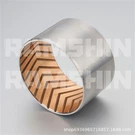
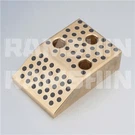
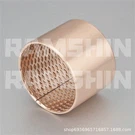
Can bronze wear strips be used in woodworking machinery?
As a supplier of bronze wear strips, I often encounter questions from customers about the applicability of our products in various industries. One common query is whether bronze wear strips can be used in woodworking machinery. In this blog post, I'll delve into the characteristics of bronze wear strips, the requirements of woodworking machinery, and explore whether this combination is a good fit.
Characteristics of Bronze Wear Strips
Bronze is an alloy primarily composed of copper and tin, often with other elements added to enhance specific properties. Bronze wear strips have several notable characteristics that make them suitable for many industrial applications:
- Wear Resistance: Bronze has excellent wear resistance due to its hardness and the formation of a self - lubricating oxide layer on its surface. This property allows bronze wear strips to withstand the friction and abrasion that occur during machinery operation, reducing the rate of wear and extending the service life of the components.
- Corrosion Resistance: Copper, the main component of bronze, has good resistance to corrosion. This is particularly important in environments where the machinery may be exposed to moisture, chemicals, or other corrosive substances. Bronze wear strips can maintain their integrity and performance over time, even in challenging conditions.
- Low Friction Coefficient: The self - lubricating nature of bronze results in a relatively low friction coefficient. This reduces the amount of energy required to operate the machinery, minimizing heat generation and improving the overall efficiency of the system. It also helps to prevent overheating and premature failure of the components.
- Damping Capacity: Bronze has good damping properties, which means it can absorb and dissipate vibration. In machinery, this can reduce noise levels, improve the stability of the operation, and protect other components from the damaging effects of vibration.
Requirements of Woodworking Machinery
Woodworking machinery operates under specific conditions and has certain requirements for its components:
- High - Speed Operation: Many woodworking machines, such as saws, routers, and planers, operate at high speeds. The components in these machines need to be able to withstand the high - speed rotation and the associated centrifugal forces without excessive wear or vibration.
- Precision and Accuracy: Woodworking often requires a high degree of precision and accuracy. The components in the machinery need to maintain their dimensional stability and alignment to ensure that the finished wood products meet the required specifications.
- Dust and Chip Resistance: Woodworking generates a large amount of dust and chips. The components in the machinery need to be able to resist the ingress of these particles, which can cause abrasion, clogging, and damage to the moving parts.
- Long - Term Durability: Woodworking machinery is a significant investment, and operators expect it to have a long service life. The components need to be durable enough to withstand continuous use over an extended period without frequent replacement.
Can Bronze Wear Strips Meet the Requirements of Woodworking Machinery?
Based on the characteristics of bronze wear strips and the requirements of woodworking machinery, it is evident that bronze wear strips can be a suitable choice for use in woodworking machinery:


- Wear and High - Speed Operation: The high wear resistance of bronze wear strips makes them capable of withstanding the high - speed operation and the friction generated in woodworking machinery. They can maintain their shape and dimensions even under high - speed rotation, ensuring the precision and accuracy of the woodworking process.
- Corrosion and Dust Resistance: While wood dust itself is not typically corrosive, the moisture in the air or the presence of cleaning agents can pose a risk of corrosion. The corrosion resistance of bronze wear strips helps to protect them from damage in such environments. Additionally, the smooth surface of bronze and its self - lubricating properties can reduce the adhesion of dust and chips, preventing clogging and ensuring the smooth operation of the machinery.
- Efficiency and Vibration Control: The low friction coefficient of bronze wear strips reduces the energy consumption of the woodworking machinery, improving its efficiency. The damping capacity of bronze also helps to control vibration, which is crucial for maintaining the stability and accuracy of the operation, especially at high speeds.
Applications of Bronze Wear Strips in Woodworking Machinery
Bronze wear strips can be used in various parts of woodworking machinery:
- Guide Rails: In machines such as table saws and planers, guide rails are used to ensure the accurate movement of the workpieces or the cutting tools. Bronze wear strips can be installed on the guide rails to reduce friction, improve the smoothness of the movement, and prevent wear and damage to the rails.
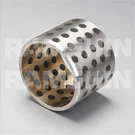
- Spindles and Bearings: Spindles are an essential part of many woodworking machines, and they require reliable bearings to support their high - speed rotation. Bronze wear strips can be used in conjunction with KSOB650 - H High - hardness Brass Solid - lubricant Embedded Bearing or Nickel Aluminum Solid Bronze Bearing CuAl10Ni5Fe5 to provide additional support, reduce friction, and enhance the performance and durability of the spindle system.
- Sliding Surfaces: In machines with sliding components, such as drawer slides or adjustable tables, bronze wear strips can be used on the sliding surfaces. Their low friction coefficient and wear resistance ensure smooth and reliable movement, while their corrosion resistance protects the surfaces from damage.
Considerations When Using Bronze Wear Strips in Woodworking Machinery
While bronze wear strips offer many advantages for woodworking machinery, there are some considerations to keep in mind:
- Compatibility with Wood and Wood Treatments: Some wood treatments, such as preservatives and stains, may contain chemicals that could potentially react with bronze. It is important to ensure that the bronze wear strips are compatible with the types of wood and treatments used in the woodworking process to avoid any adverse effects.
- Initial Cost: Bronze wear strips may have a higher initial cost compared to some other materials. However, considering their long service life and the benefits they provide in terms of reduced maintenance and improved performance, they can offer a good return on investment in the long run.
- Installation and Maintenance: Proper installation and maintenance are crucial for the optimal performance of bronze wear strips. They need to be installed correctly to ensure proper alignment and contact with the mating surfaces. Regular cleaning and inspection can help to detect any signs of wear or damage early and take appropriate measures to prevent further problems.
Conclusion
In conclusion, bronze wear strips can be effectively used in woodworking machinery. Their wear resistance, corrosion resistance, low friction coefficient, and damping capacity make them well - suited to meet the requirements of high - speed operation, precision, and long - term durability in woodworking applications. By using bronze wear strips in key components such as guide rails, spindles, and sliding surfaces, woodworking machinery can operate more efficiently, with reduced wear and maintenance, and produce higher - quality wood products.
If you are interested in using bronze wear strips in your woodworking machinery or have any questions about our products, please feel free to contact us for more information. We are committed to providing high - quality bronze wear strips and excellent customer service to meet your specific needs. We can also offer technical support and advice on the selection and application of our products to ensure the best performance of your woodworking machinery.
References
- ASM Handbook, Volume 2: Properties and Selection: Nonferrous Alloys and Special - Purpose Materials. ASM International.
- Machinery's Handbook, 31st Edition. Industrial Press Inc.