

Hey there! As a supplier of plain bushings, I often get asked if these little guys can be used in wet environments. It's a great question, and one that I'm more than happy to dig into.
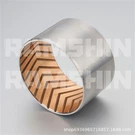
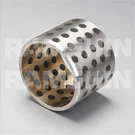
First off, let's quickly go over what plain bushings are. A plain bushing, also known as a sleeve bearing, is a simple type of bearing that's used to reduce friction between two moving parts. It's basically a cylindrical lining that sits between a shaft and a housing, allowing the shaft to rotate or slide smoothly. You can check out our Plain Bushing page for more details on the ones we offer.
Now, back to the main question: Can plain bushings be used in wet environments? Well, the answer isn't a straightforward yes or no. It depends on a few factors.
Material Matters
The material of the plain bushing plays a huge role in its performance in wet conditions. Some materials are more resistant to corrosion and water damage than others.
Bronze Bushings
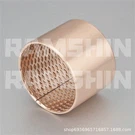
Bronze is a popular choice for plain bushings because it has good wear resistance and self - lubricating properties. Our Wrapped Bronze Bushing By Size options are made from high - quality bronze. Bronze can handle some exposure to water, but it's not completely immune. In mildly wet environments, where the water isn't highly corrosive, bronze bushings can work well. However, in highly acidic or salty water, bronze can start to corrode over time. The corrosion can lead to a rough surface on the bushing, which increases friction and can eventually cause the bushing to fail.
Plastic Bushings
Plastic bushings are another option. Many types of plastic, like PTFE (Teflon) and nylon, are highly resistant to water and corrosion. They don't rust or corrode in wet environments, which gives them an edge over metal bushings in this regard. Plastic bushings are also lightweight and can have low friction coefficients, making them suitable for many wet applications. However, they may not be as strong as metal bushings, and they can have limitations in terms of temperature and load - carrying capacity.
Stainless Steel Bushings
Stainless steel is known for its corrosion resistance, and stainless steel bushings can be a great choice for wet environments. They can withstand exposure to water, even saltwater, without significant corrosion. But they can be more expensive than bronze or plastic bushings, and they may require proper lubrication to perform at their best in wet conditions.
Lubrication in Wet Environments
Lubrication is crucial for the performance of plain bushings, and it becomes even more important in wet environments.
Water - Resistant Lubricants
In wet conditions, regular lubricants may wash away quickly. That's why it's essential to use water - resistant lubricants. These lubricants are designed to stay in place even when exposed to water, providing continuous protection and reducing friction between the bushing and the shaft. There are different types of water - resistant lubricants available, such as grease - based and oil - based ones. The choice depends on the specific application and the operating conditions.
Self - Lubricating Bushings
Some plain bushings are self - lubricating. These bushings have lubricants embedded in their material, which are gradually released as the bushing wears. Self - lubricating bushings can be a great option for wet environments because they don't rely on external lubrication as much. Our Sliding Bush Bearing is an example of a self - lubricating option that can perform well in various conditions, including wet ones.
Environmental Factors
Apart from the material and lubrication, other environmental factors in wet environments can affect the performance of plain bushings.
Water Quality
The quality of the water matters a lot. As mentioned earlier, highly acidic or salty water can be very corrosive. Industrial wastewater, for example, may contain chemicals that can damage the bushing material. On the other hand, clean, fresh water is less likely to cause problems.
Temperature
Temperature can also play a role. In cold water, the viscosity of lubricants may change, affecting their performance. High temperatures can cause some materials to expand or degrade more quickly. So, it's important to consider the temperature range of the wet environment when choosing a plain bushing.
Contaminants
Wet environments may also have contaminants like dirt, sand, or debris. These contaminants can get into the bushing and cause abrasion, which can lead to premature wear and failure. In such cases, proper sealing and filtration may be required to protect the bushing.


Applications in Wet Environments
There are many applications where plain bushings are used in wet environments.
Marine Applications
In boats and ships, plain bushings are used in various components, such as steering systems, propeller shafts, and winches. These applications are constantly exposed to saltwater, which is highly corrosive. That's why stainless steel or corrosion - resistant plastic bushings are often used in marine applications.
Food and Beverage Industry
In the food and beverage industry, equipment is often cleaned with water or sanitizing solutions. Plain bushings used in this industry need to be made from materials that are resistant to water and food - grade lubricants. Plastic bushings are a popular choice in this application because they can meet the hygiene requirements.
Water Treatment Plants
Water treatment plants use a lot of equipment that operates in wet conditions. Pumps, valves, and conveyors often have plain bushings. The choice of bushing material depends on the type of water being treated and the chemicals used in the treatment process.
Making the Right Choice
So, how do you decide if a plain bushing is suitable for your wet environment? Here are some steps to follow:
- Assess the Environment: Consider the water quality, temperature, and presence of contaminants in the environment.
- Choose the Right Material: Based on the assessment, select a material that can withstand the conditions. Bronze, plastic, or stainless steel may be suitable depending on the situation.
- Consider Lubrication: Decide whether you need a water - resistant lubricant or a self - lubricating bushing.
- Check the Application Requirements: Make sure the bushing can handle the load, speed, and other requirements of the specific application.
If you're still not sure which plain bushing is right for your wet environment, don't hesitate to reach out. We're here to help you make the best choice for your needs. Whether it's for a small DIY project or a large industrial application, we have a wide range of plain bushings to offer.
Contact us today to start a conversation about your requirements and let's find the perfect plain bushing solution for your wet environment.
References
- "Bearing Handbook" - A comprehensive guide on different types of bearings and their applications.
- "Materials Science for Engineers" - This book provides in - depth knowledge about the properties of various materials used in engineering components.
- Industry reports on the use of plain bushings in wet environments from leading engineering and manufacturing associations.