

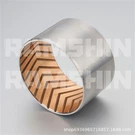
Hey there! I'm a supplier of brass bearings, and today I'm super excited to dig into how brass bearings interact with different shaft materials. It's a topic that's not only fascinating but also crucial for anyone looking to get the most out of their machinery.
Let's start by understanding what brass bearings are all about. Brass is an alloy mainly made up of copper and zinc, and sometimes it has other elements like lead, tin, or aluminum tossed in. This combination gives brass bearings some pretty awesome properties. They're corrosion - resistant, have good thermal conductivity, and can handle a fair amount of load.
Now, when it comes to shaft materials, there are a bunch of different ones out there, each with its own unique characteristics. And how they interact with brass bearings can make or break the performance of your equipment.
Steel Shafts
Steel is one of the most commonly used shaft materials, and for good reason. It's strong, durable, and relatively inexpensive. When brass bearings meet steel shafts, it's usually a match made in heaven.
The hardness of steel provides a stable surface for the brass bearing to slide against. The brass bearing can conform to the surface of the steel shaft to some extent, which helps in reducing friction. Steel also has good wear resistance, so it won't wear down too quickly under the action of the brass bearing.
However, there are a few things to watch out for. If the steel shaft has a rough surface finish, it can cause premature wear of the brass bearing. Also, in some environments where there's a lot of moisture or chemicals, there's a risk of galvanic corrosion between the brass (which is a copper - based alloy) and the steel. To prevent this, you might need to use a coating on the steel shaft or add some corrosion - inhibiting lubricants.
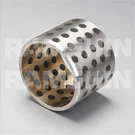
For applications where high loads and speeds are involved, like in industrial machinery, a combination of brass bearings and steel shafts can work great. Our KSOB650 - H High - hardness Brass Solid - lubricant Embedded Bearing is a perfect choice here. The high - hardness brass and the embedded solid lubricant can handle the stress and friction generated when paired with a steel shaft.
Stainless Steel Shafts
Stainless steel is another popular option. It's corrosion - resistant, which is a huge advantage in environments where moisture or chemicals are present. When brass bearings interact with stainless steel shafts, the corrosion - resistant properties of both materials can lead to a long - lasting and reliable connection.
The smooth surface of stainless steel also helps in reducing friction. But stainless steel is a bit more expensive than regular steel, and it can be harder. This means that if the brass bearing isn't hard enough, it might wear out faster.
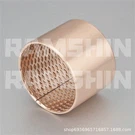
In food processing or medical equipment, where cleanliness and corrosion resistance are top priorities, the combination of brass bearings and stainless steel shafts is often used. Our Bronze Shoulder Bushings can be a great fit for these applications. The shoulder design provides additional support and stability, and the brass material can work well with the stainless steel shaft.
Aluminum Shafts
Aluminum shafts are lightweight and have good thermal conductivity. When paired with brass bearings, the lightweight nature of the aluminum can reduce the overall weight of the equipment, which is great for applications where weight is a concern, like in aerospace or automotive industries.
The low hardness of aluminum means that it can be more easily scratched or deformed compared to steel. So, the brass bearing needs to be carefully selected to ensure that it doesn't cause excessive wear on the aluminum shaft. A softer brass alloy might be a better choice in this case.
One of the benefits of the interaction between brass bearings and aluminum shafts is the good thermal conductivity of both materials. This helps in dissipating heat generated during operation, which can prevent overheating and prolong the life of both the bearing and the shaft.
Titanium Shafts
Titanium is a high - performance material. It's extremely strong, lightweight, and has excellent corrosion resistance. But it's also quite expensive.
When brass bearings interact with titanium shafts, the main challenge is the difference in hardness. Titanium is much harder than brass, so the brass bearing has to be designed in a way that it can handle the stress without excessive wear.
In high - end applications like aerospace engines or high - performance sports equipment, the combination of brass bearings and titanium shafts can offer a great balance of performance and weight savings. Our Self - Lubricating Thrust Washers can be used in such applications. The self - lubricating feature helps in reducing friction and wear when the brass washer interacts with the titanium shaft.


Non - Metal Shafts
There are also non - metal shaft materials like plastic and ceramic.
Plastic Shafts
Plastic shafts are lightweight, inexpensive, and can be molded into complex shapes. When brass bearings are used with plastic shafts, the main concern is the softness of the plastic. The brass bearing needs to have a low - friction surface to prevent the plastic from deforming or wearing out too quickly.
In some consumer products or light - duty applications, the combination of brass bearings and plastic shafts can be a cost - effective solution.
Ceramic Shafts
Ceramic shafts are extremely hard and have excellent wear resistance. They also have good thermal and chemical stability. However, they're brittle and can be easily damaged if there's any shock or impact.
When a brass bearing meets a ceramic shaft, the brass has to be able to adapt to the hard surface of the ceramic without causing any damage. This requires careful design and selection of the brass bearing material.
Lubrication and Interaction
Lubrication plays a huge role in how brass bearings interact with different shaft materials. A good lubricant can reduce friction, prevent wear, and protect against corrosion.
For steel and stainless steel shafts, a mineral - based or synthetic lubricant can work well. These lubricants can form a protective film between the brass bearing and the shaft, reducing direct contact and wear.
In the case of aluminum shafts, a lubricant that's compatible with both the brass and the aluminum is needed. Some lubricants can react with aluminum and cause damage, so it's important to choose the right one.
For high - performance applications like those involving titanium or ceramic shafts, special high - temperature and high - pressure lubricants might be required.
How to Choose the Right Brass Bearing for Different Shafts
Choosing the right brass bearing for a particular shaft material depends on several factors:
- Load and Speed: If the application involves high loads and speeds, you'll need a brass bearing with high hardness and good wear resistance.
- Environment: In corrosive environments, you'll need a brass bearing that's more corrosion - resistant or use a protective coating.
- Shaft Material Properties: Consider the hardness, surface finish, and thermal conductivity of the shaft material.
As a supplier of brass bearings, we've got a wide range of products to meet different needs. Whether you're using a steel, aluminum, or titanium shaft, we can help you find the perfect brass bearing.
If you're in the process of selecting bearings for your equipment or have any questions about how brass bearings interact with different shaft materials, don't hesitate to reach out. We're here to provide you with the best solutions and ensure that your machinery runs smoothly. Just get in touch with us, and we can start a great conversation about your procurement needs.
References
- Budynas, R. G., & Nisbett, J. K. (2011). Shigley's Mechanical Engineering Design. McGraw - Hill.
- Spotts, M. F., Shoup, T. E., & Taborek, J. (2004). Design of Machine Elements. Prentice Hall.