

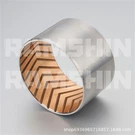
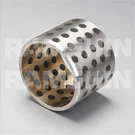
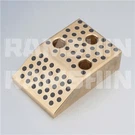
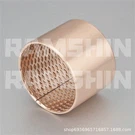
In the world of industrial applications, wear-resistant materials play a crucial role in ensuring the longevity and efficiency of machinery. Among these materials, bronze wear strips have long been a popular choice. As a supplier of bronze wear strips, I have witnessed firsthand their performance and advantages in various settings. In this blog, I will compare bronze wear strips with other wear-resistant materials to help you understand their unique features and when they are the best option.
Properties of Bronze Wear Strips
Bronze is an alloy primarily composed of copper and tin, with other elements such as zinc, lead, and phosphorus sometimes added to enhance specific properties. Bronze wear strips offer several key advantages:
High Wear Resistance
Bronze has excellent wear resistance due to its hard and dense structure. It can withstand high loads and sliding friction without significant wear, making it suitable for applications where components are subject to continuous contact and movement. For example, in heavy machinery such as construction equipment and mining machinery, bronze wear strips can protect critical parts from premature wear and extend the service life of the equipment.
Good Self-Lubrication
Some types of bronze, especially those containing lead or graphite, have self-lubricating properties. This means that they can reduce friction and wear even in the absence of external lubrication. Self-lubricating bronze wear strips are particularly useful in applications where lubrication is difficult or expensive to maintain, such as in high-temperature or high-pressure environments.
Corrosion Resistance
Bronze has good resistance to corrosion, especially in water and certain chemical environments. This makes it suitable for use in marine applications, as well as in industries where exposure to corrosive substances is common. For instance, in the food processing industry, bronze wear strips can be used in equipment that comes into contact with water and food products without the risk of corrosion.


Machinability
Bronze is relatively easy to machine compared to some other wear-resistant materials. This allows for the production of complex shapes and precise dimensions, which is important for applications where a perfect fit is required. Manufacturers can easily customize bronze wear strips to meet the specific needs of different machinery and equipment.
Comparison with Other Wear-Resistant Materials
Steel
Steel is one of the most commonly used wear-resistant materials. It is known for its high strength and hardness, which make it suitable for applications with high loads and impact forces. However, compared to bronze, steel has several disadvantages in terms of wear resistance and self-lubrication.
- Wear Resistance: While steel can be very hard, it may not have the same level of wear resistance as bronze in certain applications. Bronze's unique microstructure and composition allow it to form a protective layer on the surface during wear, which helps to reduce friction and prevent further damage. In contrast, steel may be more prone to abrasive wear and galling, especially when in contact with other hard surfaces.
- Self-Lubrication: Steel generally does not have self-lubricating properties. It requires regular lubrication to reduce friction and wear, which can increase maintenance costs and downtime. In some applications where lubrication is not feasible, such as in high-speed or high-temperature environments, the lack of self-lubrication can lead to premature failure of steel components.
- Corrosion Resistance: Although some types of steel, such as stainless steel, have good corrosion resistance, they may not be as resistant as bronze in certain environments. Bronze's natural resistance to corrosion makes it a better choice for applications in marine or chemical industries, where exposure to saltwater or corrosive chemicals is common.
Plastic
Plastics are lightweight and have good self-lubricating properties, which make them suitable for some low-load and low-speed applications. However, they also have limitations when compared to bronze wear strips.
- Strength and Load Capacity: Plastics generally have lower strength and load capacity than bronze. They may not be able to withstand high loads or impact forces without deforming or breaking. In applications where heavy loads are involved, such as in industrial machinery or automotive engines, bronze wear strips are a more reliable choice.
- Temperature Resistance: Most plastics have limited temperature resistance. They may soften or melt at high temperatures, which can affect their performance and durability. Bronze, on the other hand, can withstand much higher temperatures without significant loss of strength or wear resistance. This makes it suitable for applications in high-temperature environments, such as in furnaces or engines.
- Wear Resistance: While some plastics have good wear resistance, they may not be as durable as bronze in long-term or high-stress applications. Bronze's hard and dense structure allows it to resist wear and abrasion better than most plastics, ensuring a longer service life.
Ceramics
Ceramics are known for their high hardness and wear resistance, as well as their excellent chemical and thermal stability. However, they also have some drawbacks compared to bronze wear strips.
- Brittleness: Ceramics are very brittle and prone to cracking and chipping under impact or stress. This makes them less suitable for applications where vibration or shock is present. In contrast, bronze is more ductile and can absorb some of the impact energy without breaking, making it more reliable in real-world applications.
- Cost: Ceramics are generally more expensive than bronze. The manufacturing process of ceramics is complex and requires specialized equipment, which increases the production cost. For applications where cost is a major consideration, bronze wear strips are a more economical choice.
- Machinability: Ceramics are difficult to machine due to their high hardness. It is challenging to achieve precise dimensions and complex shapes with ceramics, which can limit their use in some applications. Bronze, on the other hand, is relatively easy to machine, allowing for greater design flexibility.
Applications of Bronze Wear Strips
Bronze wear strips are widely used in various industries due to their excellent properties. Some common applications include:
Automotive Industry
In the automotive industry, bronze wear strips are used in engine components, transmission systems, and suspension systems. They can reduce friction and wear between moving parts, improve the efficiency of the engine, and enhance the overall performance and reliability of the vehicle. For example, bronze wear strips can be used in piston rings, valve guides, and thrust washers to ensure smooth operation and long service life.
Aerospace Industry
The aerospace industry requires materials that can withstand high loads, high temperatures, and harsh environments. Bronze wear strips are used in aircraft engines, landing gear systems, and control mechanisms. Their high wear resistance, self-lubrication, and corrosion resistance make them suitable for these demanding applications. For instance, in aircraft engines, bronze wear strips can be used in bearings and bushings to reduce friction and prevent wear in high-speed and high-temperature conditions.
Industrial Machinery
In industrial machinery, bronze wear strips are used in a wide range of applications, such as in conveyor systems, machine tools, and printing presses. They can protect critical parts from wear and damage, improve the efficiency of the machinery, and reduce maintenance costs. For example, in conveyor systems, bronze wear strips can be used in rollers and guides to ensure smooth movement and prevent material jams.
Marine Industry
The marine industry requires materials that can resist corrosion and wear in saltwater environments. Bronze wear strips are used in shipbuilding, offshore platforms, and marine equipment. Their excellent corrosion resistance and wear resistance make them ideal for applications such as propeller shafts, rudder bearings, and winches. For example, in propeller shafts, bronze wear strips can reduce friction and wear between the shaft and the bearing, improving the efficiency of the propulsion system.
Conclusion
In conclusion, bronze wear strips offer a unique combination of properties that make them a valuable choice for many wear-resistant applications. Their high wear resistance, good self-lubrication, corrosion resistance, and machinability set them apart from other wear-resistant materials such as steel, plastic, and ceramics. While each material has its own advantages and disadvantages, bronze wear strips are often the preferred choice in applications where high loads, harsh environments, and long service life are required.
If you are looking for a reliable wear-resistant solution for your machinery or equipment, I encourage you to consider bronze wear strips. As a supplier of bronze wear strips, we have the expertise and experience to provide you with high-quality products that meet your specific needs. We also offer a range of related products, such as Self-lubricating Spherical Plain Bearing, Self-Lubricating Thrust Washers, and KSOB650-B Copper Steel-casting Solid-lubricant Embedded Bearing, which can complement your bronze wear strips and enhance the performance of your equipment.
If you are interested in learning more about our products or would like to discuss your specific requirements, please feel free to contact us. We look forward to the opportunity to work with you and provide you with the best wear-resistant solutions.
References
- ASM Handbook Volume 1: Properties and Selection: Irons, Steels, and High-Performance Alloys
- Plastics Engineering Handbook of the Society of the Plastics Industry
- Ceramics: Science and Technology, Volume 1: Structure and Properties