

Hey there! As a supplier of oilless bronze plates, I often get asked by customers about how to figure out the right thickness for their specific applications. It's a crucial question because getting the thickness wrong can lead to all sorts of problems, like poor performance or even premature failure of the parts. So, in this blog post, I'm gonna share some tips and factors to consider when determining the correct thickness of oilless bronze plates.
Understanding the Basics of Oilless Bronze Plates
First off, let's quickly go over what oilless bronze plates are. These plates are made from a special type of bronze alloy that has self - lubricating properties. That means they can operate without the need for external lubrication, which is super handy in a lot of industrial applications. They're used in things like machinery, automotive parts, and even in some high - precision equipment.
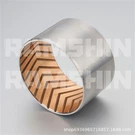
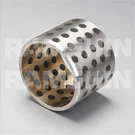
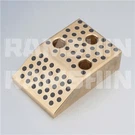
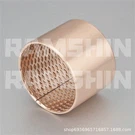
There are different types of oilless bronze plates available in the market, like the Sliding Graphite Plate, Oilless Guide Plate, and Graphite Self - Lubricating Slide Plate. Each type has its own unique characteristics and is suitable for different applications.
Factors to Consider When Choosing Thickness
Load Requirements
One of the most important factors is the load that the oilless bronze plate will have to bear. If you're dealing with heavy loads, you'll need a thicker plate. The thickness provides the necessary strength and stability to support the weight without deforming. For example, in a large - scale manufacturing machine where there are significant mechanical forces at play, a thinner plate might buckle under the pressure. You can calculate the load capacity based on the material properties of the bronze alloy and the surface area of the plate. A general rule of thumb is that as the load increases, so should the thickness of the plate.
Operating Conditions
The environment in which the oilless bronze plate will be used also matters a great deal. If it's going to be in a high - temperature environment, a thicker plate can better withstand the thermal stress. Heat can cause materials to expand, and a thicker plate is less likely to warp or crack due to thermal expansion. Similarly, in a corrosive environment, a thicker plate provides more material that can be gradually corroded before it affects the functionality of the part. Moisture, chemicals, and abrasive particles in the environment can all take a toll on the plate, and a greater thickness gives it more durability.
Wear and Tear
The amount of wear and tear the plate will experience is another key factor. In applications where there is a lot of friction, like in sliding or rotating parts, the plate will gradually wear down. A thicker plate will last longer in such situations. For instance, in a conveyor system where the oilless bronze plate is used as a guide, the constant movement of the conveyor belt against the plate will cause abrasion. A thicker plate can resist this abrasion for a longer period, reducing the frequency of replacements.
Precision Requirements
If your application requires high precision, the thickness of the oilless bronze plate becomes even more critical. In precision machinery, even a small change in the thickness can affect the alignment and performance of the entire system. For example, in a high - precision measuring instrument, a plate that is too thick or too thin can cause errors in the measurements. So, in these cases, you need to be very precise when choosing the thickness to ensure the accuracy and reliability of the equipment.
How to Calculate the Right Thickness
Consult the Manufacturer
As a supplier, I always recommend consulting with the manufacturer. We have the expertise and experience to help you determine the right thickness based on your specific application. We can take into account all the factors mentioned above and provide you with a customized solution. We have access to technical data and testing facilities that can accurately predict how a particular thickness of the oilless bronze plate will perform in your application.
Use Engineering Formulas
There are also some engineering formulas that can be used to calculate the approximate thickness. These formulas take into account factors like load, stress, and material properties. However, it's important to note that these formulas are based on ideal conditions and may need to be adjusted depending on the real - world situation. For example, the formula for calculating the thickness of a plate under a uniform load takes into account the maximum allowable stress of the material and the load distribution.
Case Studies
Let's look at a couple of real - world examples to see how important it is to choose the right thickness.
Example 1: Automotive Engine
In an automotive engine, oilless bronze plates are used in various parts, like the connecting rod bearings. These bearings have to withstand high loads and high - speed rotations. If the thickness of the oilless bronze plate used in the bearing is too thin, it can wear out quickly, leading to increased friction and heat. This can cause engine damage and reduce the overall performance of the vehicle. On the other hand, if the plate is too thick, it can add unnecessary weight to the engine, which can affect fuel efficiency. So, choosing the right thickness is crucial for the proper functioning and longevity of the engine.


Example 2: Industrial Press
In an industrial press, oilless bronze plates are used as guides for the moving parts. The press applies a large amount of force during the stamping or forming process. A thinner plate may not be able to withstand the pressure, resulting in deformation and misalignment of the parts. This can lead to poor - quality products and increased downtime for repairs. By choosing the correct thickness, the press can operate smoothly and efficiently, producing high - quality products consistently.
Conclusion
Determining the correct thickness of oilless bronze plates for your application is a multi - faceted process. It involves considering factors like load requirements, operating conditions, wear and tear, and precision requirements. Whether you're using a Sliding Graphite Plate, Oilless Guide Plate, or Graphite Self - Lubricating Slide Plate, getting the thickness right is essential for optimal performance and durability.
If you're still unsure about which thickness is right for your application, don't hesitate to reach out. We're here to help you make the best choice and ensure that your project runs smoothly. Contact us for more information and to start discussing your oilless bronze plate requirements.
References
- Material Science and Engineering textbooks
- Industry - specific technical papers on oilless bronze plates
- Manufacturer's technical data sheets