

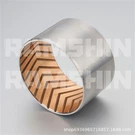
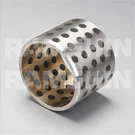
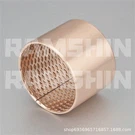
Hey there! As a supplier of Shaft Bushes, I often get asked about how to install these little wonders properly. So, I thought I'd put together this blog to share some tips and tricks on the installation process.
First off, let's talk about what shaft bushes are. Shaft bushes, also known as sleeve bearings, are cylindrical components that are used to support and guide a rotating shaft. They help reduce friction between the shaft and the housing, which in turn extends the lifespan of the shaft and other components in the system. You can check out our range of Shaft Bushes on our website.
Pre - installation Checks
Before you start the installation process, there are a few things you need to do. First, inspect the shaft and the housing. Make sure there are no cracks, scratches, or other damages on either the shaft or the housing. Any imperfections can lead to premature wear and failure of the shaft bush.
Measure the shaft diameter and the housing bore diameter. The shaft diameter should be within the specified tolerance range for the shaft bush you're using. Similarly, the housing bore diameter should also be within the correct range. If the measurements are off, it can cause issues like excessive play or tight fit, which can affect the performance of the shaft bush.
Clean both the shaft and the housing thoroughly. Use a suitable cleaning solvent to remove any dirt, grease, or debris. This is crucial because any foreign particles left behind can cause abrasion and damage to the shaft bush during operation.
Selecting the Right Shaft Bush
Choosing the right shaft bush is super important. There are different types of shaft bushes available, each with its own set of properties and applications. For example, our RAM - JF TRACK ROLLER Bimetal BUSHING is designed for specific track roller applications. It has excellent wear resistance and self - lubricating properties.
If you're dealing with high - friction applications, our RAM - 800C Bimetal Friction BUSHING might be a great choice. It's engineered to handle high - load and high - friction situations effectively.
When selecting a shaft bush, consider factors like the load it will be subjected to, the speed of the shaft, the operating temperature, and the lubrication requirements.
Installation Process
Now, let's get into the actual installation process.
Step 1: Lubrication
Before installing the shaft bush, apply a thin layer of lubricant to both the shaft and the inside of the shaft bush. This helps in easy installation and also reduces friction during the initial operation. Use a lubricant that is compatible with the material of the shaft bush.
Step 2: Inserting the Shaft Bush
Carefully insert the shaft bush into the housing bore. Make sure it is aligned properly with the shaft. You can use a press fit or a shrink fit method depending on the type of shaft bush and the application.
If you're using a press fit, use a hydraulic press or a mechanical press to apply a uniform force to the shaft bush until it is fully seated in the housing. Make sure not to apply too much force as it can damage the shaft bush or the housing.
For a shrink fit, cool the shaft bush using a suitable cooling medium like dry ice or liquid nitrogen. This causes the shaft bush to contract. Then, quickly insert it into the housing before it warms up and expands to fit tightly.
Step 3: Installing the Shaft
Once the shaft bush is installed in the housing, carefully insert the shaft through the shaft bush. Make sure the shaft is centered and aligned properly. Rotate the shaft slowly to check for any binding or resistance. If you feel any resistance, stop and check for misalignment or other issues.
Step 4: Final Checks
After installing the shaft, check the end play and radial clearance. The end play should be within the specified range. If it's too much or too little, it can cause problems like noise, vibration, and premature wear.


Also, check the lubrication system to ensure that it is working properly. The shaft bush needs a continuous supply of lubricant to function effectively.
Post - installation Maintenance
After installing the shaft bush, it's important to perform regular maintenance. Check the lubricant level regularly and top it up if necessary. Inspect the shaft bush for any signs of wear, such as scoring, pitting, or excessive clearance.
If you notice any issues, replace the shaft bush as soon as possible. Ignoring the signs of wear can lead to more serious problems and costly repairs down the line.
Conclusion
Installing shaft bushes might seem like a complicated process, but if you follow these steps carefully, you can ensure a successful installation. Remember, choosing the right shaft bush, performing pre - installation checks, and following the correct installation and maintenance procedures are key to getting the most out of your shaft bushes.
If you're interested in purchasing high - quality shaft bushes or have any questions about the installation process, feel free to reach out to us. We're here to help you find the perfect solution for your needs.
References
- Bearing Installation and Maintenance Handbook
- Machinery's Handbook