

Hey there! As a supplier of sliding bush bearings, I've been getting a lot of questions lately about how to reduce the starting torque of these bearings. It's a crucial issue because high starting torque can lead to all sorts of problems, like increased wear and tear, higher energy consumption, and even potential damage to the machinery. So, in this blog, I'm gonna share some tips and tricks on how you can tackle this problem.
First off, let's understand what starting torque is. Starting torque is the amount of force needed to get the bearing and the connected machinery moving from a standstill. In a sliding bush bearing, this torque is affected by several factors, including the friction between the bearing and the shaft, the lubrication, and the design of the bearing itself.
1. Choose the Right Material
The material of the sliding bush bearing plays a huge role in determining the starting torque. Different materials have different friction coefficients, which directly impact the amount of force required to start the movement. For example, bronze is a popular choice for sliding bush bearings because it has relatively low friction and good wear resistance.
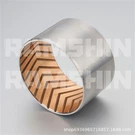
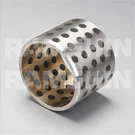
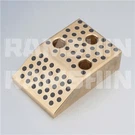
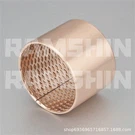
We offer a range of Plain Bushing made from high - quality bronze. These bushings are designed to reduce friction and provide smooth operation, which in turn helps to lower the starting torque. Another option is Bronze Coiled Thrust Washers. These washers are great for handling axial loads and can also contribute to reducing the overall starting torque of the system.
2. Optimize the Lubrication
Lubrication is key when it comes to reducing starting torque. A good lubricant forms a thin film between the bearing and the shaft, reducing the direct contact and friction. There are two main types of lubrication: oil lubrication and grease lubrication.
Oil lubrication is often preferred for applications where high - speed operation and low friction are required. It can provide continuous and efficient lubrication, which helps to keep the starting torque at a minimum. However, it requires a proper lubrication system to ensure that the oil is evenly distributed.


Grease lubrication, on the other hand, is more suitable for applications where the bearing operates at lower speeds or in a more sealed environment. Grease has better adhesion properties, which means it can stay in place and provide lubrication for a longer time. When choosing a lubricant, make sure to consider the operating conditions of the bearing, such as temperature, speed, and load.
3. Improve the Surface Finish
The surface finish of the bearing and the shaft can also have a significant impact on the starting torque. A rough surface can increase the friction between the two components, resulting in higher starting torque. Therefore, it's important to ensure that both the bearing and the shaft have a smooth surface finish.
We use advanced manufacturing techniques to produce Radial Bearings with a very smooth surface. This not only reduces the starting torque but also improves the overall performance and lifespan of the bearing. Additionally, proper surface treatment, such as polishing or coating, can further enhance the surface quality and reduce friction.
4. Design Considerations
The design of the sliding bush bearing itself can be optimized to reduce the starting torque. For example, the clearance between the bearing and the shaft is an important factor. If the clearance is too small, there will be more friction and higher starting torque. On the other hand, if the clearance is too large, it can lead to excessive play and vibration.
Another design aspect is the shape of the bearing. Some bearings are designed with special grooves or patterns on the inner surface. These grooves can help to distribute the lubricant more evenly and reduce the friction, thereby lowering the starting torque.
5. Pre - lubrication and Break - in Period
Before installing the sliding bush bearing, it's a good idea to pre - lubricate it. This ensures that there is a sufficient amount of lubricant between the bearing and the shaft right from the start, reducing the initial friction and starting torque.
After installation, a proper break - in period is also necessary. During the break - in period, the bearing and the shaft gradually adapt to each other, and the surface roughness is further reduced. This helps to stabilize the friction and lower the starting torque over time.
6. Regular Maintenance
Regular maintenance is essential for keeping the starting torque of the sliding bush bearing at a minimum. This includes checking the lubricant level and quality regularly. If the lubricant is contaminated or has degraded, it should be replaced immediately.
Inspecting the bearing for wear and damage is also important. If there are signs of excessive wear, such as scoring or pitting on the bearing surface, the bearing should be replaced to prevent further increase in starting torque and potential system failure.
In conclusion, reducing the starting torque of a sliding bush bearing is a multi - faceted process that involves choosing the right materials, optimizing lubrication, improving surface finish, considering design factors, pre - lubrication, break - in, and regular maintenance. By following these tips, you can ensure that your sliding bush bearings operate smoothly and efficiently, with lower starting torque and longer service life.
If you're interested in our sliding bush bearings or have any questions about reducing starting torque, feel free to reach out to us. We're always happy to help you find the best solutions for your specific applications.
References
- "Handbook of Tribology: Materials, Coatings, and Surface Treatments"
- "Bearing Design in Machinery: Engineering Tribology and Lubrication"