

Hey there! As a supplier of Die Set Units, I've seen firsthand how crucial it is to pick the right one for progressive stamping. Progressive stamping is a high - speed, efficient metal - forming process where a strip of metal moves through multiple stations in a die, with a different operation performed at each station. The Die Set Unit is like the backbone of this whole setup, providing stability and guidance for the stamping operations. So, let's dive into how you can select the perfect Die Set Unit for your progressive stamping needs.
Understanding Your Stamping Requirements
First things first, you need to have a clear understanding of your stamping requirements. This includes the type of material you'll be stamping. Are you working with soft metals like aluminum or copper, or harder ones like stainless steel? Different materials have different properties, and the Die Set Unit needs to be able to handle the forces generated during stamping without getting damaged.
The thickness of the material also matters a great deal. Thicker materials generally require a more robust Die Set Unit to withstand the higher forces involved in the stamping process. For example, if you're stamping 1/8 - inch thick steel, you'll need a much sturdier Die Set Unit compared to when stamping 1/32 - inch thick aluminum.
Another important factor is the complexity of the stamping operations. Are you just doing simple punching or bending, or are there more intricate operations like embossing or coining? More complex operations often demand a Die Set Unit with better precision and stability. If you're using a Cam Unit for Dies in your progressive die, the Die Set Unit needs to support it properly to ensure accurate and consistent results.
Considering the Die Set Unit Design
The design of the Die Set Unit plays a vital role in its performance. There are different types of designs available, and each has its own advantages.
One common design is the four - post Die Set Unit. This design offers excellent stability and is great for heavy - duty stamping operations. It can handle high - tonnage presses and large - sized dies. The four posts provide a balanced support structure, reducing the risk of the die tilting or shifting during the stamping process.
On the other hand, there are two - post Die Set Units. These are more compact and are often used in smaller presses or for less demanding stamping operations. They're a good option if you have limited space in your stamping area. However, they may not provide as much stability as four - post units, so you need to carefully consider your specific needs.
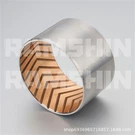
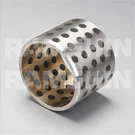
The guide system of the Die Set Unit is also a key aspect. Precision guide pins and bushings are essential for ensuring accurate alignment between the upper and lower die halves. A high - quality guide system will minimize wear and tear on the dies and improve the overall quality of the stamped parts. Some Die Set Units come with self - lubricating guide bushings, which can reduce maintenance requirements and extend the lifespan of the unit.
Evaluating the Build Quality
When it comes to selecting a Die Set Unit, build quality is non - negotiable. You want a unit that is made from high - grade materials and is built to last. The frame of the Die Set Unit should be made of strong and durable steel. It should be able to withstand the repeated impacts and stresses of the stamping process without deforming.
The surface finish of the Die Set Unit is also important. A smooth surface finish reduces friction between the die and the Die Set Unit, which can improve the efficiency of the stamping process and reduce the wear on the dies. Look for units that have been heat - treated and have a hard - chrome plating or other protective coatings to prevent rust and corrosion.
The quality of the components used in the Die Set Unit, such as the guide pins, bushings, and bolts, should also be top - notch. Inferior components can lead to premature failure of the unit and can cause problems in the stamping process. Make sure the supplier uses high - quality, precision - made components in their Die Set Units.
Checking Compatibility with Your Press
Your Die Set Unit needs to be compatible with your stamping press. This includes the size and tonnage of the press. The Die Set Unit should fit properly within the press bed and have the right mounting holes and dimensions to ensure a secure and accurate installation.
The tonnage capacity of the Die Set Unit should match the tonnage of your press. If the Die Set Unit has a lower tonnage capacity than your press, it may get damaged during the stamping process. On the other hand, if it has a much higher tonnage capacity than necessary, you may be over - investing in the unit.
You also need to consider the stroke length of your press. The Die Set Unit should be able to accommodate the full stroke of the press without any interference. Some Die Set Units are designed for specific stroke lengths, so make sure to choose one that is compatible with your press's stroke.
Looking at the Supplier's Reputation
As a Die Set Unit supplier myself, I know how important it is to have a good reputation. When you're selecting a Die Set Unit, you want to work with a supplier who has a proven track record of providing high - quality products and excellent customer service.
Check online reviews and testimonials from other customers. See what they have to say about the quality of the Die Set Units, the delivery times, and the level of support they received from the supplier. A supplier with a lot of positive reviews is more likely to provide you with a reliable and high - performing Die Set Unit.
You can also ask for references from the supplier and contact other customers directly. This can give you a more in - depth understanding of the supplier's products and services. A reputable supplier will be happy to provide references and answer any questions you may have.
Considering Cost - Effectiveness
Cost is always a factor when making a purchase, but it shouldn't be the only consideration. While you want to get a good deal on your Die Set Unit, you also need to remember that a cheap unit may end up costing you more in the long run if it breaks down or doesn't perform well.
Compare the prices of different Die Set Units from various suppliers, but also take into account the quality, features, and after - sales support. Sometimes, paying a little more upfront for a high - quality Die Set Unit can save you money on maintenance, repairs, and replacement parts in the future.


Look for suppliers who offer competitive pricing without compromising on quality. Some suppliers may offer package deals or discounts if you're purchasing multiple Die Set Units or other related products like Press Die WEDGE.
After - Sales Support
After - sales support is often overlooked but is actually very important. You want a supplier who will be there to help you if you have any problems with your Die Set Unit. This includes providing technical support, supplying replacement parts, and offering maintenance services.
A good supplier should have a knowledgeable and responsive customer service team. They should be able to answer your questions quickly and provide you with solutions to any issues you may encounter. Make sure to ask the supplier about their after - sales support policies before making a purchase.
In conclusion, selecting the right Die Set Unit for progressive stamping is a complex process that requires careful consideration of your stamping requirements, the design and build quality of the unit, compatibility with your press, the supplier's reputation, cost - effectiveness, and after - sales support. If you're in the market for a Die Set Unit, I'd be more than happy to help you find the perfect one for your needs. Don't hesitate to reach out to me for more information or to start a procurement discussion.
References
- Metal Stamping Handbook, by Tooling and Manufacturing Association
- Die Design and Construction, by Society of Manufacturing Engineers