

Hey there! As a supplier of Sliding Bush Bearings, I often get asked about how to select the right food - grade ones. And it's a super important topic, especially in industries where cleanliness and hygiene are a top priority, like the food and beverage, pharmaceutical, and cosmetics sectors. So, let's dive right in and explore some key aspects to keep in mind when making your selection.
First off, what exactly is a food - grade Sliding Bush Bearing? Well, these bearings are designed to meet strict safety and hygiene standards. They're made to be non - toxic and resistant to corrosion, preventing any harmful substances from leaching into the products they come into contact with. Now, the market offers a wide range of these bearings, and finding the perfect one for your specific application can be a bit of a challenge. But don't worry, I've got you covered.
Material Matters
The material of the Sliding Bush Bearing is crucial. For food - grade applications, you typically want materials that are FDA (Food and Drug Administration) compliant. One common option is PTFE (Polytetrafluoroethylene) - lined bearings. PTFE is well - known for its low friction coefficient and high chemical resistance. It's also non - sticking, which means it won't attract food particles or other contaminants.
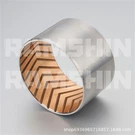
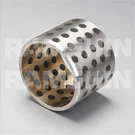
Another popular choice is a bronze - based sliding bush bearing. Bronze has excellent wear resistance and can handle heavy loads. Some bronze bearings are impregnated with lubricants, which helps to reduce friction and extend the bearing's lifespan. And when it comes to food applications, you need to make sure the lubricants used are also food - grade. You can check out Sliding Bush Bearing on our website for different material options.
Size and Fit
Size definitely matters when selecting a food - grade sliding bush bearing. If the bearing is too big or too small, it won't function properly. You need to consider the shaft diameter that the bearing will fit on. A tight fit is important to prevent any movement or wobbling, which could lead to premature wear.
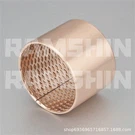
Measure the shaft carefully, and look for bearings that have a tolerance range that matches your shaft size. Our Wrapped Bronze Bushing By Size page provides bearings in various sizes to ensure you find the perfect match for your application.
Load Capacity
You've got to think about the load that the bearing will need to support. In food - processing equipment, there can be a lot of mechanical stress, especially in conveyor belts, mixers, and other moving parts. If you choose a bearing with a load capacity that's too low, it will wear out quickly, and you might even face equipment breakdowns.
Make sure to calculate the maximum load that your bearing will experience during normal operation. Then, select a bearing that can handle at least that much load. Keep in mind that dynamic loads (loads while the equipment is moving) are often higher than static loads (loads when the equipment is at rest), so factor that in as well.
Operating Conditions
The environment in which the bearing will operate is also a key consideration. Temperature can have a big impact on the performance of a bearing. In the food industry, you might have hot ovens or cold storage units, so you need a bearing that can withstand these extreme temperatures.
Humidity is another factor. If the bearing is in a wet or humid environment, it can be prone to rust and corrosion. Look for bearings that are specially treated or made from materials that are resistant to moisture. And don't forget about chemicals! In food processing, there can be cleaning agents and other chemicals that the bearing might come into contact with. Make sure your chosen bearing can resist these chemicals.
Design Features
Some sliding bush bearings come with special design features that can be really beneficial in food - grade applications. For example, a Split Bearing Sleeve is easy to install and replace, which is great if you need to do maintenance quickly. These split bearings can be opened up and placed around the shaft without having to disassemble the entire equipment.
Some bearings also have self - lubricating properties. This means they don't require frequent lubrication, which is a huge advantage in a food - processing environment where cleanliness is so important. You don't want lubricants dripping onto the food products.
Compliance and Certifications
In addition to FDA compliance, there are other certifications that you should look for. For example, the European Union has its own set of food - contact regulations. Make sure the bearings you choose meet these standards if you're selling products in Europe. Certifications give you peace of mind that the bearings are safe and reliable for food applications.
Cost - effectiveness
While quality and safety are top priorities, cost is also a factor. You don't want to overspend, but at the same time, you can't compromise on the quality of the bearings. Compare different brands and suppliers. Look for suppliers who offer good value for money. Sometimes, a slightly more expensive bearing can end up saving you money in the long run because it has a longer lifespan and requires less maintenance.
As a supplier, I've seen all sorts of applications, and I know how important it is to get the right bearing for the job. If you're struggling to make a decision or need more information, feel free to reach out to us. We've got a team of experts who can help you select the best food - grade sliding bush bearing for your specific needs. Whether you're just starting a new project or looking to upgrade your existing equipment, we're here to provide you with high - quality bearings and excellent service.


So, if you're in the market for food - grade sliding bush bearings, don't hesitate to contact us and start a purchasing negotiation. We're ready to work with you to ensure you get the bearings that meet all your requirements.
References
- "Engineering Tribology" by Ian M. Hutchings
- "Bearing Handbook" published by a leading bearing manufacturer
- Various FDA and EU regulations regarding food - contact materials