

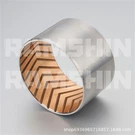
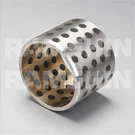
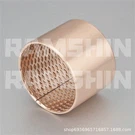
Selecting the appropriate bimetal bushing material is a critical decision that can significantly impact the performance, durability, and cost - effectiveness of your machinery. As a trusted bimetal bushing supplier, I understand the complexities involved in this process and am here to guide you through the key factors to consider.
Understanding Bimetal Bushings
Bimetal bushings are composite bearings made from two different metals bonded together. This combination allows them to take advantage of the unique properties of each metal, such as the strength and wear - resistance of one and the anti - corrosion or self - lubricating properties of the other. They are widely used in various industries, including automotive, aerospace, and industrial machinery. For more information on different types of bimetal bushings, you can visit our Shaft Bushes and BIMETAL Bearings pages.
Factors to Consider When Selecting Bimetal Bushing Materials
Load Capacity
One of the primary considerations is the load that the bushing will need to support. Different metals have different load - bearing capacities. For example, bronze - steel bimetal bushings are known for their high load - carrying capabilities. They can withstand heavy radial and axial loads, making them suitable for applications such as engine crankshafts and heavy - duty industrial equipment. On the other hand, if the load is relatively light, a bushing with a softer metal layer, like a copper - aluminum bimetal, might be sufficient.
Speed of Operation
The speed at which the bushing will operate also plays a crucial role. High - speed applications require materials that can reduce friction and heat generation. For instance, self - lubricating bimetal bushings with a PTFE (polytetrafluoroethylene) lining are excellent for high - speed operations. The PTFE layer provides low friction, which helps to minimize wear and prevent overheating. In contrast, for low - speed applications, the focus may be more on load capacity and durability rather than friction reduction.
Temperature and Environment
The operating temperature and the surrounding environment are important factors. Some metals may lose their mechanical properties at high temperatures. For example, aluminum - based bimetal bushings may not be suitable for applications where the temperature exceeds 200°C. In corrosive environments, such as marine or chemical processing, corrosion - resistant materials like stainless steel - bronze bimetal bushings are necessary. They can protect against rust and chemical attack, ensuring a longer service life.
Lubrication Requirements
Lubrication is essential for the proper functioning of bimetal bushings. Some materials are self - lubricating, which can reduce the need for external lubrication. This is beneficial in applications where it is difficult to apply lubricant regularly, such as in sealed or hard - to - reach areas. Other materials may require continuous or periodic lubrication. When selecting a bushing material, consider the availability and cost of lubrication, as well as the impact of lubrication on the surrounding environment.
Cost
Cost is always a factor in any purchasing decision. The cost of bimetal bushing materials can vary significantly depending on the type of metals used, the manufacturing process, and the quantity ordered. While it may be tempting to choose the cheapest option, it is important to balance cost with performance and durability. A more expensive bushing made from high - quality materials may save money in the long run by reducing maintenance and replacement costs.


Common Bimetal Bushing Material Combinations
Bronze - Steel Bimetal
Bronze - steel bimetal bushings are widely used due to their excellent combination of strength, wear resistance, and load - carrying capacity. The steel backing provides high strength, while the bronze layer offers good anti - seizure properties and low friction. They are commonly used in automotive engines, construction machinery, and industrial pumps.
Copper - Aluminum Bimetal
Copper - aluminum bimetal bushings are lightweight and have good thermal conductivity. They are suitable for applications where weight reduction is important, such as in aerospace and automotive components. However, their load - carrying capacity is relatively lower compared to bronze - steel bushings.
Steel - PTFE Bimetal
Steel - PTFE bimetal bushings are self - lubricating and have extremely low friction coefficients. They are ideal for high - speed and low - load applications, such as in computer hard drives and precision instruments. The steel backing provides structural support, while the PTFE layer reduces friction and wear.
Our Expertise as a Bimetal Bushing Supplier
As a bimetal bushing supplier, we have extensive experience in helping our customers select the right materials for their specific applications. We offer a wide range of bimetal bushings, including Bimetallic Bearing Bushing, each with its own unique properties and advantages. Our team of experts can provide technical support and guidance throughout the selection process.
We understand that every application is different, and we are committed to providing customized solutions. Whether you need a bushing for a high - load, high - speed application or a low - cost, low - maintenance solution, we can help you find the perfect material.
Conclusion
Selecting the appropriate bimetal bushing material is a complex but crucial decision. By considering factors such as load capacity, speed of operation, temperature, environment, lubrication requirements, and cost, you can make an informed choice that will ensure the optimal performance and longevity of your machinery.
If you are in the process of selecting bimetal bushings for your application, we invite you to contact us for a detailed discussion. Our team of experts is ready to assist you in finding the right materials and products to meet your specific needs. Let's work together to ensure the success of your projects.
References
- "Handbook of Bearing Design and Application" by J. Peter Booth.
- "Materials Science and Engineering: An Introduction" by William D. Callister, Jr. and David G. Rethwisch.