




Hey there! As a CAM Unit supplier, I've been getting a lot of questions lately about data storage options for these units. So, I thought I'd put together this blog post to share some insights on the matter.
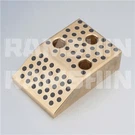
First off, let's talk about what a CAM Unit is. For those of you who aren't familiar, a CAM (Computer-Aided Manufacturing) Unit is a key component in the manufacturing process. It helps in automating and streamlining various manufacturing operations, making them more efficient and accurate. Whether it's for Press Die WEDGE, Die Set Unit, or Cam Unit for Dies, the data stored in these units is crucial for smooth operation.
Now, when it comes to data storage options for a CAM Unit, there are several choices available. Each option has its own pros and cons, and the right one for you depends on your specific needs and circumstances.
Local Hard Drives
One of the most common data storage options is using local hard drives. These are physical drives that are directly connected to the CAM Unit. The main advantage of local hard drives is their speed. Since they're directly attached to the unit, data can be accessed and transferred quickly. This is great for real - time operations where fast data retrieval is essential.
Another benefit is security. You have full control over the hard drive, and you can implement your own security measures like encryption. This is important because the data stored in a CAM Unit often contains sensitive manufacturing information.
However, local hard drives also have their drawbacks. They have a limited storage capacity. If your manufacturing operations generate a large amount of data, you may quickly run out of space. Also, they are prone to physical damage. A single hard drive failure can result in the loss of all your data, which can be a major setback for your manufacturing process.
Network - Attached Storage (NAS)
NAS is a type of storage device that is connected to a network. Multiple CAM Units can access the NAS, allowing for shared data storage. This is a great option if you have multiple CAM Units in your manufacturing facility.
One of the biggest advantages of NAS is its scalability. You can easily add more storage capacity as your data needs grow. It also provides a centralized location for data storage, which makes it easier to manage and backup.
On the downside, NAS can be more expensive to set up compared to local hard drives. You need to have a reliable network infrastructure in place, and any network issues can affect the performance of the NAS. Also, security can be a concern. Since it's connected to a network, it's more vulnerable to cyber - attacks if not properly secured.
Cloud Storage
Cloud storage has become increasingly popular in recent years. With cloud storage, your data is stored on remote servers maintained by a third - party provider. The main advantage of cloud storage is its virtually unlimited storage capacity. You can store as much data as you need without having to worry about running out of space.
It also offers great flexibility. You can access your data from anywhere with an internet connection. This is useful if you have employees working remotely or if you need to access the data while on the go.
However, cloud storage also has some drawbacks. It relies on an internet connection, so if your internet goes down, you won't be able to access your data. There are also concerns about data privacy and security. Since your data is stored on someone else's servers, you have to trust the cloud provider to keep your data safe.
External Solid - State Drives (SSDs)
External SSDs are another option for data storage. They are similar to local hard drives but use solid - state technology instead of traditional spinning disks. This makes them much faster than hard drives. They also have a longer lifespan and are more resistant to physical shock.
SSDs are portable, which means you can easily move data between different CAM Units or take it with you if needed. They are also relatively easy to set up and use.
But like local hard drives, they have limited storage capacity. And they can be more expensive per gigabyte compared to traditional hard drives.


Tape Drives
Tape drives were once a very popular data storage option, and they still have their place in the modern manufacturing world. Tape drives are known for their high storage capacity and long - term data retention. They are great for archiving data that you don't need to access frequently but still want to keep for a long time.
The cost per gigabyte of tape storage is relatively low, making it a cost - effective option for large - scale data storage. However, tape drives are slow. Retrieving data from a tape can take a long time, so they're not suitable for real - time operations.
Choosing the Right Option
So, how do you choose the right data storage option for your CAM Unit? Here are some factors to consider:
- Data Volume: If you generate a large amount of data, you'll need a storage option with high capacity, like cloud storage or NAS.
- Access Speed: For real - time operations, local hard drives or SSDs are better choices because of their fast access speed.
- Security: If security is your top priority, you may want to go with local hard drives or implement strong security measures on a NAS or cloud storage solution.
- Budget: Your budget will also play a role. Cloud storage can be more expensive in the long run, while local hard drives are generally more affordable upfront.
In conclusion, there is no one - size - fits - all solution when it comes to data storage for a CAM Unit. You need to carefully evaluate your needs and choose the option that best suits your manufacturing operations.
If you're still unsure about which data storage option is right for your CAM Unit, or if you have any other questions about our CAM Units, don't hesitate to reach out. We're here to help you make the best decision for your business. Whether you're interested in Press Die WEDGE, Die Set Unit, or Cam Unit for Dies, we can provide you with the information and support you need. Let's start a conversation about how we can optimize your manufacturing process with the right data storage and CAM Unit solutions.
References
- "Data Storage Basics" - A general guide on different data storage options.
- "Manufacturing Data Management" - A book about managing data in the manufacturing industry.