

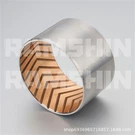
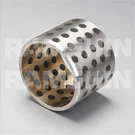
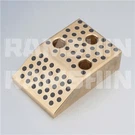
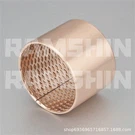
As a supplier of brass wear plates, I've witnessed firsthand the increasing demand for cost - effective solutions in various industries. In this blog, I'll delve into the cost - effectiveness of using a brass wear plate, exploring its features, advantages, and how it stacks up against other alternatives.
What is a Brass Wear Plate?
Brass wear plates are made from an alloy of copper and zinc, which offers a unique combination of properties. The copper provides excellent corrosion resistance and good thermal conductivity, while the zinc enhances the hardness and strength of the material. These plates are designed to withstand friction, abrasion, and wear in mechanical applications, making them an ideal choice for a wide range of industries such as automotive, manufacturing, and aerospace.
Initial Cost
When it comes to the initial purchase price, brass wear plates may seem more expensive than some other materials. However, it's important to consider the long - term value. For example, compared to plastic wear plates, brass has a higher density and strength, which means it can handle more stress and load without deforming. While plastic plates might be cheaper upfront, they often need to be replaced more frequently due to their lower durability.
On the other hand, when compared to Harden Steel Plate, the cost difference isn't as significant as one might think. Although hardened steel plates are known for their high strength, brass wear plates offer better corrosion resistance, which can save on maintenance and replacement costs in environments where corrosion is a concern.


Durability and Long - Term Savings
One of the key factors contributing to the cost - effectiveness of brass wear plates is their durability. The hardness of brass allows it to resist wear and abrasion over a long period. In applications where there is constant sliding or rubbing, such as in machinery components, brass wear plates can last much longer than many other materials.
For instance, in an automotive engine, brass wear plates can be used in areas where there is high friction, like valve guides. These plates can withstand the repeated movement and pressure without significant wear, reducing the need for frequent engine overhauls or part replacements. This not only saves on the cost of new parts but also on labor costs associated with the replacement process.
Maintenance Requirements
Brass wear plates have relatively low maintenance requirements. Unlike some materials that require regular lubrication or special coatings to prevent corrosion and wear, brass has inherent corrosion - resistant properties. This means that in many applications, no additional maintenance steps are needed, or at least the frequency of maintenance can be significantly reduced.
In contrast, Oil - Free Slide Plates, while they eliminate the need for oil lubrication, may still require periodic inspections and cleaning to ensure optimal performance. Brass wear plates, once installed, can often operate for extended periods without such intensive upkeep, leading to further cost savings over time.
Versatility and Compatibility
Brass wear plates are highly versatile and can be used in a wide variety of applications. They can be easily machined into different shapes and sizes to fit specific requirements. This versatility means that a single type of brass wear plate can be used in multiple parts of a machine or in different machines altogether.
For example, Cam Unit Plate can be made from brass. The ability to use brass wear plates in cam units provides smooth operation and reduces the risk of wear - related failures. This compatibility with different components and systems further enhances their cost - effectiveness as there is no need to source multiple types of wear plates for different parts of a project.
Energy Efficiency
In some applications, brass wear plates can contribute to energy efficiency. Their smooth surface finish reduces friction, which in turn reduces the amount of energy required to operate machinery. In a manufacturing plant, for example, using brass wear plates in conveyor systems can lead to lower power consumption over time. This reduction in energy costs can be a significant factor in the overall cost - effectiveness of using brass wear plates, especially in large - scale operations.
Conclusion
In conclusion, the cost - effectiveness of using a brass wear plate is evident when considering all aspects of its performance. While the initial cost may be slightly higher in some cases, the long - term savings in terms of durability, low maintenance, versatility, and energy efficiency far outweigh the upfront investment.
If you're in the market for a reliable and cost - effective wear plate solution, I encourage you to consider brass wear plates. Whether you're in the automotive, manufacturing, or any other industry that requires high - performance wear components, our range of brass wear plates can meet your needs. Reach out to us to discuss your specific requirements and start exploring how brass wear plates can benefit your operations.
References
- "Materials Science and Engineering: An Introduction" by William D. Callister Jr.
- Industry reports on wear plate applications and performance.