


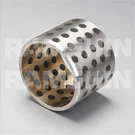
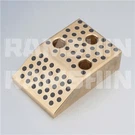
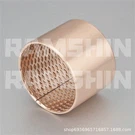
As a trusted supplier of Sliding Bush Bearings, I've witnessed firsthand the pivotal role these components play in countless industrial applications. Sliding bush bearings, also known as plain bearings, are simple yet essential elements that provide support and facilitate smooth motion between moving parts. However, like any mechanical component, they require proper maintenance to ensure optimal performance and longevity. In this blog post, I'll delve into the maintenance requirements for sliding bush bearings, offering insights and tips based on my experience in the industry.


Understanding Sliding Bush Bearings
Before we discuss maintenance, it's important to understand the basic structure and function of sliding bush bearings. These bearings consist of a cylindrical sleeve that fits between two moving parts, typically a shaft and a housing. The sleeve is usually made of a material with good wear resistance and low friction, such as bronze or a self - lubricating composite. The primary function of a sliding bush bearing is to reduce friction and wear between the shaft and the housing, allowing for smooth rotation or linear movement.
There are different types of sliding bush bearings available, including [Plain Bushing](/self - lubricating - bearing/wrapped - bronze - bushing/plain - bushing.html) and [Wrapped Bronze Bushing By Size](/self - lubricating - bearing/wrapped - bronze - bushing/wrapped - bronze - bushing - by - size.html). Each type has its own unique characteristics and applications, but they all share the common goal of providing reliable support and motion.
Lubrication
One of the most critical aspects of maintaining sliding bush bearings is proper lubrication. Lubrication serves several important functions: it reduces friction between the bearing and the shaft, dissipates heat generated during operation, and protects the bearing surface from wear and corrosion.
The choice of lubricant depends on several factors, including the operating conditions, the type of bearing material, and the speed and load of the application. For most sliding bush bearings, a high - quality grease or oil is recommended. Grease is often preferred for applications where the bearing operates at low to moderate speeds and under light to moderate loads. It provides long - lasting lubrication and can help seal out contaminants. Oil, on the other hand, is better suited for high - speed applications or those with heavy loads, as it can provide better cooling and more efficient lubrication.
When lubricating sliding bush bearings, it's important to follow the manufacturer's recommendations. Over - lubrication can be just as harmful as under - lubrication. Excess lubricant can attract dirt and debris, leading to increased wear and potential damage to the bearing. Under - lubrication, on the other hand, can cause excessive friction, heat buildup, and premature failure of the bearing.
Regularly check the lubricant level and condition. If the lubricant appears dirty or contaminated, it should be replaced. In some cases, a lubricant analysis may be necessary to determine if it has degraded and needs to be changed.
Inspection
Regular inspection is another key aspect of maintaining sliding bush bearings. Visual inspection can help identify signs of wear, damage, or misalignment early on, allowing for timely repairs or replacements.
During an inspection, check for the following:
- Wear: Look for signs of excessive wear on the bearing surface, such as grooves, scratches, or a polished appearance. Excessive wear can indicate a problem with lubrication, misalignment, or an over - loaded bearing.
- Damage: Inspect the bearing for any cracks, chips, or other forms of damage. Damage can occur due to impact, corrosion, or improper installation.
- Misalignment: Check if the bearing is properly aligned with the shaft and the housing. Misalignment can cause uneven wear and increased stress on the bearing, leading to premature failure.
- Contamination: Look for signs of dirt, debris, or moisture in the bearing. Contamination can accelerate wear and damage the bearing surface.
In addition to visual inspection, it may also be necessary to perform more in - depth inspections using specialized tools and techniques. For example, ultrasonic testing can be used to detect internal cracks or defects in the bearing, while vibration analysis can help identify problems with balance or alignment.
Cleaning
Cleaning is an important part of bearing maintenance. Over time, dirt, debris, and contaminants can accumulate on the bearing surface, which can increase friction and wear. Regular cleaning can help remove these contaminants and keep the bearing in good condition.
When cleaning sliding bush bearings, it's important to use a suitable cleaning agent. Avoid using harsh chemicals that can damage the bearing material. A mild detergent or a specialized bearing cleaner is usually recommended. After cleaning, make sure to dry the bearing thoroughly to prevent corrosion.
Installation and Alignment
Proper installation and alignment are crucial for the performance and longevity of sliding bush bearings. Incorrect installation can cause premature wear, misalignment, and even bearing failure.
When installing a sliding bush bearing, follow the manufacturer's instructions carefully. Make sure the bearing is the correct size and type for the application. Clean the shaft and the housing before installation to remove any dirt or debris. Use a suitable installation tool to ensure that the bearing is installed evenly and without damage.
Alignment is also important. The bearing should be aligned with the shaft and the housing to ensure smooth operation. Misalignment can cause uneven loading on the bearing, leading to increased wear and reduced performance. Use alignment tools, such as dial indicators or laser alignment systems, to ensure accurate alignment.
Temperature Monitoring
Monitoring the temperature of sliding bush bearings can provide valuable insights into their condition. Excessive heat can indicate a problem with lubrication, misalignment, or an over - loaded bearing.
Use a temperature sensor or an infrared thermometer to measure the temperature of the bearing during operation. Compare the measured temperature with the normal operating temperature range specified by the manufacturer. If the temperature is significantly higher than normal, it's important to investigate the cause and take appropriate action.
Storage
Proper storage is also important to maintain the quality of sliding bush bearings. When not in use, bearings should be stored in a clean, dry environment. They should be protected from dust, moisture, and corrosion.
Store bearings in their original packaging or in a suitable storage container. If the bearings need to be stored for an extended period, it may be necessary to apply a thin layer of protective oil to prevent rust.
Conclusion
Maintaining sliding bush bearings is essential to ensure their optimal performance and longevity. By following the maintenance practices outlined above, including proper lubrication, regular inspection, cleaning, correct installation and alignment, temperature monitoring, and appropriate storage, you can minimize the risk of bearing failure and reduce downtime.
If you're in the market for high - quality [Sliding Bush Bearing](/self - lubricating - bearing/wrapped - bronze - bushing/sliding - bush - bearing.html), look no further. As a leading supplier in the industry, we offer a wide range of sliding bush bearings to meet your specific needs. Our products are manufactured to the highest standards and are backed by our commitment to quality and customer service.
If you have any questions or would like to discuss your bearing requirements, please don't hesitate to contact us. We're here to help you find the best solutions for your applications.
References
- Machinery's Handbook, Industrial Press Inc.
- Bearing Design and Application Handbook, SKF Group
- Tribology Handbook, Elsevier Science