


Hey there! As a supplier of Split Bearing Sleeves, I've seen firsthand how important proper maintenance is to keep these components running smoothly. In this blog, I'll share some practical maintenance methods for Split Bearing Sleeves that can help you extend their lifespan and enhance their performance.
Understanding Split Bearing Sleeves
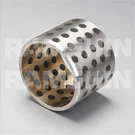
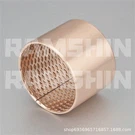
Before we dive into the maintenance methods, let's quickly go over what Split Bearing Sleeves are. Split Bearing Sleeves, as the name suggests, are bearing sleeves that are split along their length. This design allows for easy installation and removal, making them a popular choice in various applications, especially where disassembly and reassembly are frequent. You can find more information about Split Bearing Sleeves on our website Split Bearing Sleeve.
Regular Inspection
One of the most basic yet crucial maintenance methods for Split Bearing Sleeves is regular inspection. You should visually inspect the sleeves at regular intervals to check for any signs of wear, damage, or misalignment. Look for things like scratches, cracks, or excessive wear on the surface of the sleeve. Pay close attention to the edges and the split area, as these are often the areas where problems can start.
If you notice any signs of wear or damage, it's important to address them as soon as possible. Minor issues can often be fixed with simple repairs, but if the damage is severe, you may need to replace the sleeve. Regular inspection can help you catch problems early, which can save you time and money in the long run.
Cleaning
Cleaning is another important maintenance step for Split Bearing Sleeves. Over time, dirt, debris, and contaminants can accumulate on the surface of the sleeve, which can cause increased friction and wear. To clean the sleeve, you can use a mild detergent and a soft brush. Gently scrub the surface of the sleeve to remove any dirt or debris, and then rinse it thoroughly with clean water.
Make sure to dry the sleeve completely before reinstalling it. Moisture can cause corrosion, which can damage the sleeve and reduce its lifespan. You can use a clean, dry cloth to wipe the sleeve dry, or you can let it air dry in a well-ventilated area.
Lubrication
Proper lubrication is essential for the smooth operation of Split Bearing Sleeves. Lubrication helps to reduce friction between the sleeve and the shaft, which can prevent wear and tear and extend the lifespan of the sleeve. The type of lubricant you use will depend on the specific application and the operating conditions.
For most applications, a high-quality grease or oil is recommended. Make sure to follow the manufacturer's recommendations for the type and amount of lubricant to use. Over-lubrication can be just as bad as under-lubrication, so it's important to use the right amount.
When applying lubricant, make sure to cover the entire surface of the sleeve evenly. You can use a brush or a grease gun to apply the lubricant. If you're using oil, you can pour it into the bearing housing and let it soak into the sleeve.
Alignment
Proper alignment is crucial for the performance and longevity of Split Bearing Sleeves. Misalignment can cause increased stress on the sleeve, which can lead to premature wear and failure. To ensure proper alignment, you should use alignment tools and techniques during installation.
Make sure that the shaft and the bearing housing are properly aligned before installing the sleeve. You can use a dial indicator or a laser alignment tool to check the alignment. If you notice any misalignment, you should correct it before installing the sleeve.
Temperature Monitoring
Monitoring the temperature of the Split Bearing Sleeve is another important maintenance method. Excessive heat can cause the sleeve to expand, which can lead to increased friction and wear. You can use a temperature sensor or an infrared thermometer to monitor the temperature of the sleeve.
If you notice that the temperature of the sleeve is higher than normal, it could be a sign of a problem. Check for things like overloading, improper lubrication, or misalignment. Addressing the problem quickly can prevent further damage to the sleeve.
Storage
Proper storage is also important for the maintenance of Split Bearing Sleeves. When not in use, the sleeves should be stored in a clean, dry place. Make sure to protect the sleeves from dust, dirt, and moisture. You can use a plastic bag or a storage container to keep the sleeves clean and dry.
If you need to store the sleeves for an extended period of time, you may want to apply a thin layer of lubricant to the surface of the sleeve to prevent corrosion. Make sure to label the storage container with the type and size of the sleeve, so you can easily find it when you need it.
Conclusion
In conclusion, proper maintenance is essential for the performance and longevity of Split Bearing Sleeves. By following these maintenance methods, you can extend the lifespan of your sleeves, reduce downtime, and save money on replacement costs.
If you have any questions about the maintenance of Split Bearing Sleeves or if you're interested in purchasing our products, please don't hesitate to contact us. We're here to help you find the right solutions for your needs.


References
- Machinery's Handbook, 31st Edition
- Bearing Installation and Maintenance Guide, SKF