

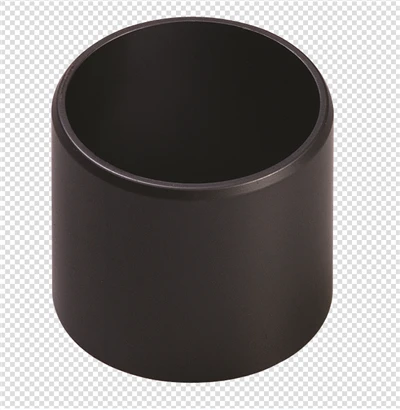
Plastic bearings are straightforward components that, in specific situations, outperform metal ones in both reliability and cost-effectiveness.
Here's what makes them stand out:
Corrosion-resistant and tough. In environments with acids, alkalis, moisture, or frequent washdowns-where metal bearings rust and corrode-plastic bearings hold up effortlessly. They're the go-to choice for food processing plants, chemical industries, and medical equipment.
Built to be silent. They operate almost noiselessly. Ideal for use in office equipment, household appliances, and medical devices where unwanted noise is a concern.
Lightweight and clean. Significantly lighter than metal, they help reduce overall equipment weight. Since they don't require lubrication and generate no debris, they're perfect for high-cleanliness applications.
Cost-effective and low-maintenance. Inexpensive to produce and, thanks to their self-lubricating and corrosion-resistant properties, they require less frequent maintenance or replacement-saving money in the long run.
But they're not a universal solution:
Don't use them under heavy impact loads or in high-temperature environments. Their strength lies in low to medium speeds, light loads, corrosive settings, and where silence and cleanliness matter.
In short:
If you're tired of dealing with rust, noise, and constant maintenance with metal bearings-and your application fits the description above-it's time to seriously consider plastic bearings.
They prove that with the right design and purpose, plastic can be just as reliable-and often even smarter.
If you have need,contact:


