

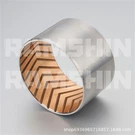
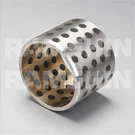
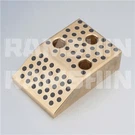
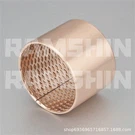
In the realm of printing machinery, the choice of components plays a pivotal role in ensuring optimal performance, reliability, and longevity. One such component that has been a subject of interest is the brass wear plate. As a supplier of Brass Wear Plates, I am often asked whether these plates can be effectively used in printing machinery. In this blog post, I will delve into the characteristics of brass wear plates, their suitability for printing machinery, and the advantages they offer.
Characteristics of Brass Wear Plates
Brass is an alloy composed primarily of copper and zinc, with varying proportions of other elements such as lead, tin, and aluminum. This combination of metals imparts several desirable properties to brass wear plates, making them suitable for a wide range of applications.


One of the key characteristics of brass is its excellent corrosion resistance. Copper, the primary component of brass, forms a protective oxide layer on its surface when exposed to air, which helps prevent further oxidation and corrosion. This makes brass wear plates highly resistant to rust and other forms of corrosion, even in harsh environments.
In addition to corrosion resistance, brass also exhibits good thermal conductivity. This means that brass wear plates can effectively dissipate heat generated during operation, preventing overheating and reducing the risk of damage to the machinery. Good thermal conductivity also helps maintain a stable temperature within the printing machinery, which is essential for consistent print quality.
Another important property of brass is its low friction coefficient. Brass has a naturally smooth surface, which reduces friction between moving parts. This not only helps improve the efficiency of the printing machinery but also reduces wear and tear on the components, extending their service life.
Brass is also relatively easy to machine, which allows for the production of wear plates with precise dimensions and complex shapes. This makes it possible to customize brass wear plates to meet the specific requirements of different printing machinery applications.
Suitability for Printing Machinery
The unique properties of brass wear plates make them well-suited for use in printing machinery. Printing machinery typically involves a variety of moving parts, such as rollers, gears, and guides, which are subject to friction, wear, and corrosion. Brass wear plates can be used in several key areas of printing machinery to address these issues.
One of the primary applications of brass wear plates in printing machinery is as guide gibs. Guide gibs are used to guide the movement of components such as print heads, paper feeders, and rollers, ensuring smooth and accurate operation. The low friction coefficient of brass makes it an ideal material for guide gibs, as it reduces the resistance to movement and helps prevent jams and misalignments. Guide Gibs made from brass can provide long-lasting performance and reliable guidance for the moving parts of the printing machinery.
Brass wear plates can also be used as bearing surfaces for rollers and other rotating components. The high corrosion resistance of brass ensures that the bearing surfaces remain smooth and free from rust, reducing friction and wear on the rollers. This helps maintain the accuracy and precision of the printing process, resulting in high-quality prints.
In addition to guide gibs and bearing surfaces, brass wear plates can be used in other areas of the printing machinery, such as in the paper feed mechanism. The smooth surface of brass helps prevent paper jams and ensures a consistent paper feed, improving the overall efficiency of the printing process.
Advantages of Using Brass Wear Plates in Printing Machinery
There are several advantages to using brass wear plates in printing machinery.
1. Extended Service Life
The excellent corrosion resistance and low friction coefficient of brass wear plates help reduce wear and tear on the components of the printing machinery. This extends the service life of the machinery, reducing the need for frequent replacements and maintenance. By using brass wear plates, printing companies can save on costs associated with downtime, repairs, and replacement parts.
2. Improved Print Quality
The smooth surface and low friction coefficient of brass wear plates contribute to smooth and accurate movement of the components in the printing machinery. This helps maintain the alignment and precision of the print heads, rollers, and other parts, resulting in high-quality prints with sharp images and consistent colors.
3. Enhanced Efficiency
The low friction coefficient of brass reduces the energy required to operate the printing machinery. This not only helps save on energy costs but also improves the overall efficiency of the printing process. With less energy wasted on overcoming friction, the machinery can operate at higher speeds and with greater productivity.
4. Customization Options
As mentioned earlier, brass is relatively easy to machine, which allows for the production of wear plates with precise dimensions and complex shapes. This means that brass wear plates can be customized to fit the specific requirements of different printing machinery models. Whether it's a small desktop printer or a large industrial printing press, brass wear plates can be tailored to provide the best performance.
5. Compatibility with Other Materials
Brass is compatible with a wide range of other materials commonly used in printing machinery, such as steel and aluminum. This makes it easy to integrate brass wear plates into existing printing machinery designs without the need for major modifications.
Considerations and Limitations
While brass wear plates offer many advantages for printing machinery, there are also some considerations and limitations to keep in mind.
One of the main considerations is the cost. Brass is generally more expensive than some other materials, such as steel. However, the long-term benefits of using brass wear plates, such as extended service life and improved performance, often outweigh the initial cost.
Another consideration is the hardness of brass. While brass is relatively hard, it may not be as hard as some other materials, such as Harden Steel Plate. In applications where high hardness is required, such as in heavy-duty printing machinery, a combination of brass and harder materials may be necessary.
It's also important to ensure proper installation and maintenance of brass wear plates. Improper installation can lead to misalignment and premature wear, while lack of maintenance can reduce the effectiveness of the wear plates. Regular cleaning and lubrication are essential to keep the brass wear plates in good condition.
Conclusion
In conclusion, brass wear plates can be effectively used in printing machinery due to their excellent corrosion resistance, low friction coefficient, good thermal conductivity, and ease of machining. They offer several advantages, including extended service life, improved print quality, enhanced efficiency, customization options, and compatibility with other materials. While there are some considerations and limitations, the benefits of using brass wear plates make them a viable option for many printing machinery applications.
If you are in the market for high-quality Brass Wear Plate for your printing machinery, I invite you to contact us for more information. Our team of experts can help you choose the right brass wear plates for your specific needs and provide you with competitive pricing and excellent customer service. We look forward to working with you to improve the performance and reliability of your printing machinery.
References
- "Metals Handbook: Properties and Selection: Nonferrous Alloys and Pure Metals", ASM International
- "Engineering Materials and Their Applications", William D. Callister Jr. and David G. Rethwisch
- "Handbook of Materials Selection", George E. Dieter and Linda C. Schmidt