

Hey there! I'm a supplier of oilless guide plates, and today I wanna have a chat about whether oilless guide plates can be used in medical equipment. It's a question that comes up quite often, and I'm gonna dig deep into it.
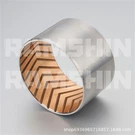
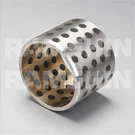
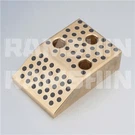
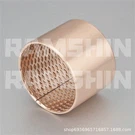
First off, let's talk about what oilless guide plates are. They're basically plates that can function without the need for lubricating oil. We've got different types, like the Oilless Bronze Plate, the Sinter Bronze Wear Plate, and the Sliding Graphite Plate. Each of these has its own unique properties and advantages.
The oilless bronze plate is made of bronze, which is a pretty durable metal. It can handle a fair amount of pressure and wear, and it's got good heat resistance. The sinter bronze wear plate, on the other hand, is made through a sintering process. This gives it a porous structure that can hold lubricants within its pores, providing long - term lubrication even without external oil. And the sliding graphite plate is known for its excellent self - lubricating properties. Graphite has a low friction coefficient, which means it can slide smoothly against other surfaces.
Now, let's get to the main question: can these oilless guide plates be used in medical equipment? Well, there are a few factors to consider.
Advantages of Using Oilless Guide Plates in Medical Equipment
Hygiene
One of the biggest advantages is hygiene. In medical settings, cleanliness is of utmost importance. Oil - based lubricants can attract dust, dirt, and even bacteria. They can create a breeding ground for microorganisms, which is a big no - no in medical equipment. Oilless guide plates, on the other hand, don't rely on oil. This means there's no risk of oil leakage or contamination. They're easier to clean and maintain, which is crucial for preventing infections and keeping patients safe.
Precision
Medical equipment often requires high levels of precision. Oilless guide plates can provide smooth and consistent movement. Their low friction properties ensure that parts can move accurately and repeatably. For example, in surgical robots or diagnostic imaging machines, precise movement is essential for accurate procedures and diagnoses. The self - lubricating nature of oilless guide plates helps to maintain this precision over time, without the need for frequent lubrication that could potentially affect the equipment's performance.
Long - term Durability
Medical equipment is a significant investment, and it needs to last. Oilless guide plates are designed to be durable. They can withstand the constant use and movement that medical equipment often undergoes. The materials used in these plates, like bronze and graphite, are known for their strength and resistance to wear. This means that the guide plates won't wear out quickly, reducing the need for frequent replacements and saving costs in the long run.


Challenges and Considerations
Biocompatibility
One of the main challenges is biocompatibility. Since medical equipment comes into contact with patients' bodies, the materials used in the equipment must be safe for human use. Not all oilless guide plates are inherently biocompatible. For example, some bronze alloys may contain elements that could be toxic if they come into contact with the human body. However, there are ways to address this issue. Special coatings can be applied to the guide plates to make them biocompatible. These coatings act as a barrier between the metal and the patient, ensuring safety.
Regulatory Compliance
Medical equipment is highly regulated. There are strict standards and regulations that manufacturers must comply with. When using oilless guide plates in medical equipment, it's essential to ensure that the plates meet these regulatory requirements. This may involve extensive testing and certification processes. For example, the plates may need to be tested for their mechanical properties, chemical composition, and biocompatibility.
Cost
Initially, oilless guide plates may be more expensive than traditional oil - lubricated components. The cost of developing and manufacturing oilless guide plates, especially those with special coatings for biocompatibility, can be relatively high. However, when you consider the long - term benefits, such as reduced maintenance costs and longer lifespan, the overall cost - effectiveness may be comparable or even better.
Real - World Applications
There are already some medical equipment that use oilless guide plates. For example, in dental chairs, oilless guide plates can be used to ensure smooth movement of the chair's components. They provide a clean and reliable solution for adjusting the position of the chair, which is important for both the dentist and the patient.
In infusion pumps, oilless guide plates can be used to control the movement of the pump's parts. The precision and reliability of these plates help to ensure accurate delivery of medications and fluids, which is crucial for patient safety.
Conclusion
So, can oilless guide plates be used in medical equipment? The answer is yes, but with some considerations. The advantages of hygiene, precision, and long - term durability make them a viable option for many medical applications. However, challenges such as biocompatibility, regulatory compliance, and cost need to be addressed.
If you're a manufacturer of medical equipment and you're interested in using oilless guide plates, I'd love to have a chat with you. We can discuss your specific needs, and I can provide you with the best solutions. Whether it's the oilless bronze plate, sinter bronze wear plate, or sliding graphite plate, we've got the expertise to help you make the right choice. Let's work together to create safer and more reliable medical equipment.
References
- ASTM International. (Standards related to materials used in medical devices).
- ISO (International Organization for Standardization) standards for medical equipment design and safety.
- Research papers on biocompatibility of materials in medical applications.