

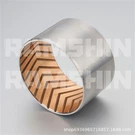
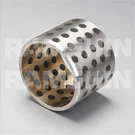
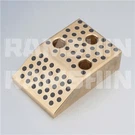
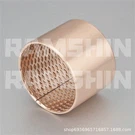
Hey there! As a supplier of Cam Unit Plates, I've been getting a lot of questions lately about how to ensure these nifty components operate smoothly in low-temperature environments. It's a crucial issue, especially for industries that rely on precision machinery in cold conditions. So, let's dive right in and explore some practical ways to keep your Cam Unit Plate Cam Unit Plate running like a charm even when the mercury drops.
Understanding the Challenges of Low Temperatures
First off, we need to understand what low temperatures do to a Cam Unit Plate. Cold weather can cause a bunch of problems. For starters, materials contract in the cold. This contraction can lead to changes in the dimensions of the Cam Unit Plate and its associated parts. If the tolerances are too tight, the contraction might cause parts to bind or jam, preventing the smooth movement that the Cam Unit Plate is designed for.
Another issue is the effect on lubricants. Most lubricants thicken in low temperatures. When this happens, they don't flow as easily, which means they can't provide the same level of protection and smooth operation as they do at normal temperatures. This can increase friction between moving parts, leading to wear and tear, and potentially reducing the lifespan of the Cam Unit Plate.
Material Selection
One of the first steps in ensuring the normal operation of a Cam Unit Plate in low-temperature environments is choosing the right materials. Not all materials are created equal when it comes to cold weather performance.
For the Cam Unit Plate itself, look for materials that have good low-temperature toughness. Metals like stainless steel or certain alloys can be great choices. They tend to maintain their strength and ductility even in cold conditions, reducing the risk of cracking or breaking.
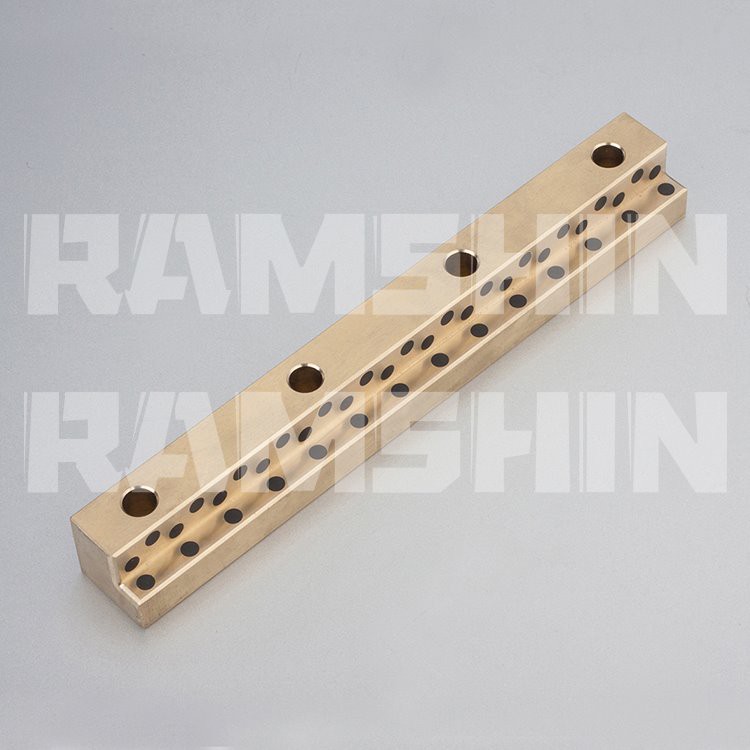
When it comes to the components that work in conjunction with the Cam Unit Plate, such as Guide Gibs and Sliding Bronze Wear Plate, similar material considerations apply. Guide Gibs need to be made of materials that can withstand the cold without losing their guiding properties. Sliding Bronze Wear Plates should also be able to maintain their smooth sliding characteristics in low temperatures.
Lubrication
As I mentioned earlier, lubrication is a major factor in low-temperature operation. You can't just use any old lubricant and expect it to work well in the cold. You need to choose a lubricant that is specifically formulated for low-temperature use.

These specialized lubricants have a lower pour point, which means they stay fluid at lower temperatures. They also have additives that help reduce friction and wear even in cold conditions. When applying the lubricant, make sure to follow the manufacturer's instructions carefully. Over-lubrication can be just as bad as under-lubrication, especially in low temperatures where the thickened lubricant might not spread evenly.
It's also a good idea to regularly check the lubricant levels and condition. In cold environments, the lubricant might need to be changed more frequently than in normal conditions due to the increased stress it faces.
Heating and Insulation
In some cases, heating and insulation can be effective ways to keep the Cam Unit Plate operating normally in low temperatures. You can install heating elements near the Cam Unit Plate to maintain a more stable temperature. This can prevent the material contraction and lubricant thickening issues we talked about earlier.
Insulation can also help. By wrapping the Cam Unit Plate and its associated components with insulating materials, you can reduce the heat loss to the surrounding environment. This can be especially useful in outdoor or unheated industrial settings.
However, when using heating and insulation, you need to be careful. Make sure the heating elements are properly installed and controlled to avoid overheating, which can also damage the Cam Unit Plate. And the insulation should not interfere with the normal operation of the plate or its associated components.
Maintenance and Inspection
Regular maintenance and inspection are key to ensuring the normal operation of a Cam Unit Plate in low-temperature environments. You should have a maintenance schedule in place that includes checking the Cam Unit Plate for any signs of wear, damage, or misalignment.
During inspections, pay close attention to the moving parts. Look for any signs of excessive friction, such as scoring or galling. Check the lubricant levels and condition, and replace the lubricant if necessary. Also, inspect the associated components like Guide Gibs and Sliding Bronze Wear Plates for any signs of damage or wear.
If you notice any issues during the inspection, address them immediately. Minor problems can quickly turn into major ones in low-temperature conditions, so it's better to catch and fix them early.
Training and Education
Finally, don't forget about the importance of training and education. Your operators and maintenance staff need to be aware of the special requirements for operating and maintaining the Cam Unit Plate in low-temperature environments.
Provide them with training on the proper use and maintenance procedures. Make sure they understand the potential problems that can occur in the cold and how to prevent and address them. This can go a long way in ensuring the long-term reliability of the Cam Unit Plate.
Conclusion
Ensuring the normal operation of a Cam Unit Plate in low-temperature environments is definitely a challenge, but it's not impossible. By choosing the right materials, using the appropriate lubricants, implementing heating and insulation measures, conducting regular maintenance and inspections, and providing proper training, you can keep your Cam Unit Plate running smoothly even in the coldest conditions.
If you're in the market for high-quality Cam Unit Plates, Guide Gibs, or Sliding Bronze Wear Plates that are designed to perform well in low temperatures, don't hesitate to reach out. We're here to help you find the right solutions for your specific needs. Whether you have questions about material selection, lubrication, or any other aspect of Cam Unit Plate operation, we've got the expertise to assist you.
If you're interested in discussing your requirements further or getting a quote, feel free to start a conversation. We're eager to work with you to ensure your machinery operates at its best, no matter the temperature.
References
- "Materials Science and Engineering: An Introduction" by William D. Callister Jr. and David G. Rethwisch
- "Lubrication Fundamentals" by John W. Murphy
- Industry reports on low-temperature machinery operation and maintenance