

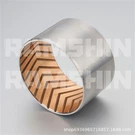
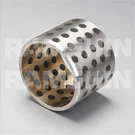
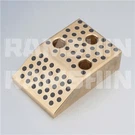
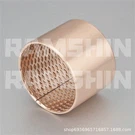
Hey there! As a supplier of brass bearings, I've seen firsthand the importance of getting the installation right. A proper installation not only ensures the smooth operation of your machinery but also extends the lifespan of the bearings. So, let's dive into how you can install brass bearings correctly.
1. Preparation is Key
Before you even think about installing the brass bearings, you need to do some prep work. First off, make sure you've got all the necessary tools. You'll typically need a set of wrenches, a hammer (preferably a soft - faced one to avoid damaging the bearing), a press (if required), and some cleaning supplies.
Inspect the bearing thoroughly. Check for any visible damage like scratches, dents, or cracks. Even a small imperfection can lead to premature failure of the bearing. Also, measure the bearing to ensure it meets the specifications required for your application.
Clean the bearing housing and the shaft where the bearing will be installed. Any dirt, debris, or old lubricant can cause problems. Use a suitable cleaning agent and a clean cloth to wipe everything down. Make sure the surfaces are completely dry before proceeding.
2. Handling the Bearing
Brass bearings are delicate components, so you need to handle them with care. Avoid touching the bearing surfaces with your bare hands as the oils from your skin can cause corrosion over time. Use clean gloves or a pair of tweezers if necessary.
When removing the bearing from its packaging, be gentle. Don't drop it or subject it to any sudden impacts. Remember, a damaged bearing won't perform as it should.
3. Installing the Bearing on the Shaft
If you're installing the bearing on a shaft, there are a few methods you can use. One common way is the press - fit method. If you're using a press, make sure it's properly aligned with the shaft and the bearing. Apply a slow and steady force to press the bearing onto the shaft. Don't use excessive force as it can damage the bearing or the shaft.
Another method is the heat - shrink method. This involves heating the bearing slightly to expand it. You can use a specialized bearing heater or a hot plate. Once the bearing has expanded, quickly place it on the shaft. As it cools, it will shrink and fit snugly on the shaft. However, be careful not to overheat the bearing as it can change its material properties.


4. Installing the Bearing in the Housing
When installing the bearing in the housing, you need to ensure proper alignment. The bearing should fit smoothly into the housing without any binding. If it's a tight fit, you can use a soft - faced hammer to tap it gently into place. Make sure the bearing is seated evenly in the housing.
If you're using a thrust bearing, like the Standard Thrust Gasket or Self - Lubricating Thrust Washers, pay extra attention to its orientation. These bearings are designed to handle axial loads, so they need to be installed correctly.
5. Lubrication
Lubrication is crucial for the proper functioning of brass bearings. It reduces friction, prevents wear, and dissipates heat. Choose a lubricant that is suitable for your application. Some brass bearings, like the Nickel Aluminum Solid Bronze Bearing CuAl10Ni5Fe5, are self - lubricating. However, in most cases, you'll still need to apply some external lubricant.
Apply the lubricant evenly to the bearing surfaces. You can use a brush or a grease gun depending on the type of lubricant. Make sure not to over - lubricate as it can attract dirt and debris.
6. Final Checks
After installing the bearing, do a final check. Rotate the shaft to make sure the bearing is rotating smoothly. Check for any unusual noises or vibrations. If you notice anything out of the ordinary, stop and re - examine the installation.
Also, check the alignment of the shaft and the housing again. Misalignment can cause excessive wear on the bearing and lead to premature failure.
7. Maintenance
Once the bearing is installed, regular maintenance is essential. Check the lubricant level periodically and replenish it if necessary. Inspect the bearing for signs of wear, such as excessive play or discoloration. If you notice any problems, address them immediately to avoid more serious issues down the line.
In conclusion, installing brass bearings correctly is a multi - step process that requires attention to detail. By following these steps, you can ensure that your brass bearings perform at their best and last for a long time.
If you're in the market for high - quality brass bearings, we've got you covered. We offer a wide range of brass bearings to suit different applications. Whether you need a standard bearing or a custom - made one, we can help. Don't hesitate to reach out for a consultation or to discuss your specific requirements. We're here to make sure you get the right bearing for your needs.
References
- "Bearing Installation and Maintenance Guide" - Industry Handbook
- "Materials and Applications of Brass Bearings" - Technical Journal